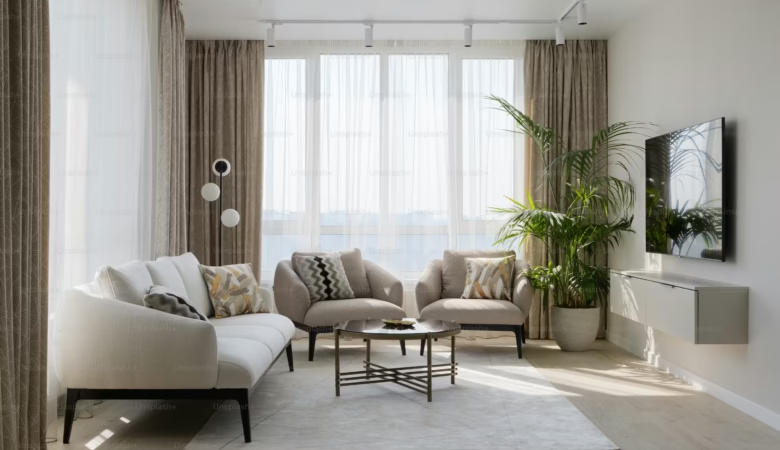
Multifunctional Furniture Designs

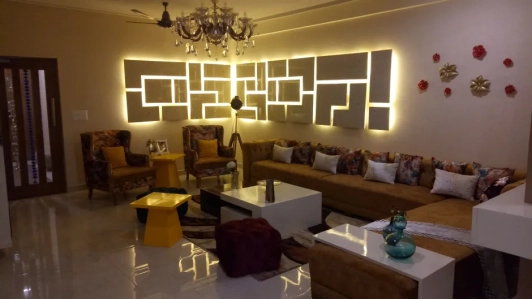
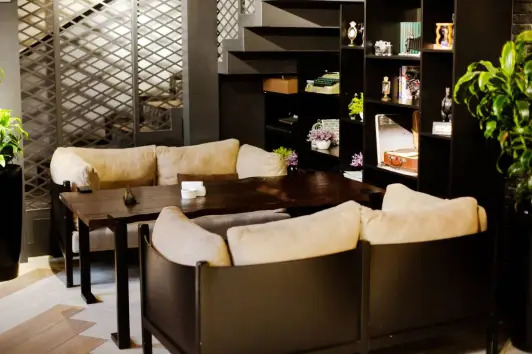
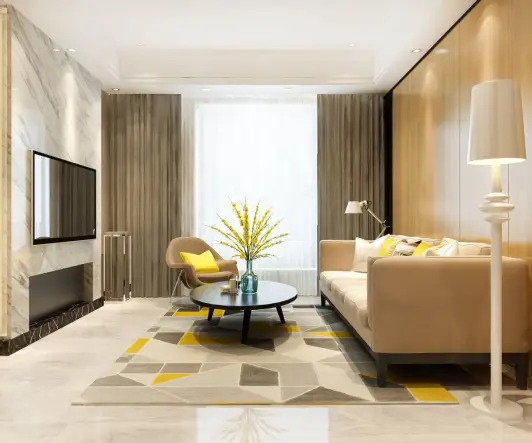
Transform Your Space with Multifunctional Furniture Interior Designs In today’s fast-paced world, where space is at a premium, multifunctional furniture interior designs have emerged as a game-changer. These innovative designs combine functionality, versatility, and style to create furniture pieces that serve multiple purposes, allowing us to make the most of our living spaces. From space-saving beds to convertible dining tables, multifunctional furniture has revolutionized the way we design and utilize our homes. These innovative designs not only save space but also enhance the overall aesthetic appeal of any room. Gone are the days when furniture was solely meant for one specific purpose. With multifunctional furniture, every piece becomes a clever solution to optimize space and enhance the overall aesthetic appeal of a room. Whether you live in a tiny apartment, a compact urban loft, or simply want to maximize the potential of your home, multifunctional furniture interior designs offer a range of options to suit your needs. The beauty of multifunctional furniture lies in its ability to seamlessly transform and adapt to different situations. Beds that double as sofas or desks during the day, folding tables and chairs that can be easily stored away when not in use, and modular sofas and sectionals that can be rearranged to fit any layout—these are just a few of the possibilities that multifunctional furniture brings to the table. Not only do these designs save space, but they also add a touch of elegance and sophistication to any room. With sleek lines, innovative mechanisms, and thoughtful storage solutions, multifunctional furniture becomes a statement piece that enhances the overall interior design of a space. Choosing the right interior designer is essential for a successful interior designing project that meets both your style and budget requirements. We offer the best interior design services around, so if you’re looking for a reliable designer, you’ve come to the right place. Interior decorators and interior designers can both help you create the perfect aesthetic for your space with interior design services. The best interior designer in Mohali offered several creative solutions for our interior design needs. The interior design firm hired a commercial interior designer to ensure the project was completed on time and budget.The primary focus of customer satisfaction professional interior designers is to ensure each client is completely satisfied with their design project. Furthermore, multifunctional furniture interior designs offer practicality and convenience. They provide additional storage options, hidden compartments, and integrated features that cater to our modern lifestyles. From wall-mounted desks and shelves to storage ottomans and benches, these designs offer solutions to keep our spaces organized and clutter-free. In summary, multifunctional furniture interior designs have revolutionized the way we live and interact with our living spaces. They offer a perfect blend of functionality, versatility, and style, allowing us to make the most of our homes, no matter how small or large they may be. With these innovative designs, we can create a space that is not only aesthetically pleasing but also practical and efficient. A Murphy bed that is connected to a loveseat sofa We are all aware of how much room couches and sofas take up in a home. And since not all homes include a guest room, space becomes even more important for homes that need an extra bed. So what do you do? Here’s a fantastic method to have a spare bed without sacrificing the sofa area, though. This couch might alternatively be described as a contemporary loveseat that is attached to a lift-up Murphy bed. And if you ever need a bed, all you have to do is pull it down and set it up above the loveseat. The space-saving sofa-cum-bed is the perfect addition to your living area. A Multipurpose Study Unit With Attached Space-Saving Bookshelf A study/workstation at home is necessary now that working from home is commonplace. You will therefore need to make some additional room for your study set. To store your books and work papers, a study room also needs a shelf unit. For your study unit, we have thus brought multifunctional furniture with a connected, compact bookcase. As you can see, the study unit has a simple, sophisticated design that blends well with any interior design style. The space-saving hardwood floating study desk has two open floating shelves and handleless drawers. A tall bookshelf is directly adjacent to the desk and is perfect for stacking books, stowing luggage, etc. An essential bedroom furniture set is made up of the study unit, which is joined to the wardrobe on the opposite side. For compact bedrooms, you can use this kind of multipurpose study unit. A Wardrobe With A Concealed Dressing Unit Wardrobes for bedrooms take up a lot of room, especially if you choose floor-to-ceiling models. However, if you need a lot of storage for clothes, you cannot compromise on the size of your closet. So, by choosing a versatile wardrobe design, you may conserve space without sacrificing the size of your closet. Modular wardrobes can have many multipurpose furniture designs, as was demonstrated above, to help you save space. And a wardrobe with a hidden dressing unit is among the most effective solutions for multipurpose furniture. We are proud to offer the best interior design in Mohali, known for our unique and stylish Dressing Unit. A Bookshelf That Works As A Partition Between Rooms The majority of modern flats have open floor plans. This contributes to making homes’ interior designs more open and airy. Most zones in such layouts overlap one another. Therefore, in open-plan houses, designers employ furniture to define spaces. While there are various ways to define spaces, one simple method is to choose semi-closed walls that will preserve the openness of your space while establishing a visual separation between rooms. You can try a variety of partition components. However, employing a multipurpose partition design, as demonstrated, is the most effective method to use the partition. The metallic partition piece is actually an open shelf unit that you may use to divide your

Benefits of Hiring an Interior Designer

Saving Time, Money And Reduce Stress: The Advantages Of Hiring An Interior Designer Hiring an interior designer Every homeowner, after having a house built, wishes to have it decorated in the most attractive way possible, which leads to the importance of interior design and the function of interior designers in the current environment. To accomplish this goal, some people engage specialists to perform the interior design of their home, while others do it themselves. If you propose doing it on your own, the scope is fairly limited. You won’t be able to make substantial aesthetic modifications to your home like a professional interior designer. Interior decorators specialize in creating unique and beautiful modular kitchens for homeowners who want to bring their dream kitchen to life. Our professional interior designer team is well versed in modern design trends and their experienced eye helps bring a unique touch to every project. We strive to provide complete satisfaction to our interior decoration client. Hiring an interior designer can have numerous benefits when it comes to designing and decorating your space. Whether you are renovating your home, setting up a new office, or simply giving your space a fresh new look, an interior designer can provide valuable expertise, save you time and money, and create a truly personalized and functional design. From their knowledge and experience to access to resources and attention to detail, an interior designer can help bring your vision to life and create a space that reflects your style and meets your unique needs. We are confident that our highly experienced interior designers can transform your space into a beautiful and comfortable living area. In this article, we will explore some of the key benefits of hiring an interior designer and how they can enhance your design journey. A properly qualified interior designer, on the other hand, can simply work their magic and change your brick and physical home into a charming and beautiful environment. Hiring professional interior designers has so become a trendy practice. Taking inspiration from television shows, commercials, and movies, as well as friends and neighbors, many people these days are investing in giving their dream homes a new look. The super-rich are not the only ones who are redesigning the inside of their homes; the burgeoning middle class is also getting involved. Hiring the services of an interior designer has thus many advantages. What are the Benefits of Hiring an Interior Designer? 1. Expertise and Knowledge Interior designers have extensive knowledge and expertise in designing spaces. They are trained professionals who can suggest the most suitable design solutions for your needs and preferences. We are proud to be regarded as the best interior designer, due to our unparalleled expertise and knowledge of interior design principles. 2. Time-saving expertise Interior Designer has possess a wealth of time-saving expertise, allowing to efficiently and effectively complete projects with minimal disruption. One of the biggest advantages of hiring an interior designer is their expertise and knowledge in the field. They can guide you through the decision-making process, recommend suitable materials and furniture, and provide you with insights and ideas you may not have considered. With their help, you can avoid wasting time on trial and error. 3. Cost-effective choices It’s a common misconception that hiring an interior designer is an unnecessary luxury that only adds to your expenses. However, a skilled designer can actually help you save money in the long run. They have access to wholesale suppliers and can negotiate better prices on furniture, fixtures, and accessories. Additionally, they can prevent costly mistakes by ensuring that your purchases are the right fit for your space and style. 4. Stress reduction Redecorating your home can quickly become a stressful experience. The endless options available and the pressure to make the right choices can take a toll on your mental well-being. By hiring an interior designer, you can alleviate this stress. Engaging with a Best Interior Designer can be an effective way of reducing stress levels and improving the overall atmosphere of your home. They will handle all the details and logistics, making the process hassle-free for you. From managing contractors to overseeing installations, an interior designer will ensure everything runs smoothly, leaving you free to enjoy the transformation. 5. Personalized design An interior designer can help turn your dreams into a reality by creating a space that reflects your unique taste and lifestyle. They will take the time to understand your vision, preferences, and needs, and then translate them into a well-designed space. Whether you desire a modern aesthetic, a cozy retreat, or a vibrant and energetic atmosphere, a designer will use their creativity and expertise to make it happen. 6. Enhanced functionality Aesthetics aside, an interior designer will also focus on the functionality of your space. They will consider factors such as traffic flow, storage needs, and ergonomics when planning the layout. By optimizing the functionality of your home, an interior designer can ensure that every inch is utilized efficiently, making your life easier and more organized. 7. Increased Property Value A well-designed space can significantly increase the value of your property. An interior designer can help you create a visually appealing and functional space that will attract potential buyers and increase the resale value of your property. 8. Attention to Detail Interior designers pay careful attention to even the smallest details to ensure a cohesive and harmonious design. They consider elements such as color coordination, textures, lighting, and furniture arrangement to create a visually pleasing and functional space. 9. Long-term Satisfaction Hiring an interior designer can result in long-term satisfaction with your space. They will work closely with you to understand your needs and preferences, ensuring that the final design meets your expectations and provides you with a space you love. 10. Access to Resources Interior designers have access to a wide range of resources and contacts in the industry. They can provide you with options for furniture, fabrics, accessories, and other design elements that are not easily

Wellness-Oriented Design

Wellness-Oriented Design Did you know that your health goes well beyond what you do every day? It extends to both architectural and interior design. Unquestionably, a well-designed environment contributes to a happier and healthier way of life. The good news is that you may improve your home’s health by following wellness design guidelines! What is wellness-focused interior design? Interestingly, workplace spaces were where health interior design really took off before moving into homes. In spite of this, wellness architecture has been around for a while. For our benefit, it’s becoming more and more well-known every day. And as a result of its recent growth spurt, numerous fields, including interior lighting design, are now prospering. Wellness Design offers the best interior design, with its modern and elegant designs to give your home a unique, luxurious look. In other words, wellness design is concerned with enhancing the health and wellbeing of persons who occupy a given structure. Wellness architecture enhances life in both residential and commercial settings. A building’s health is also rated using a scale based on fundamental eco-principles. Eleven aspects make up the principles’ core. From air to food, community, and other things, they span the board. Natural materials can be beneficial in promoting human health and physical health, healthy living, as they provide essential nutrients and micronutrients needed for a healthy lifestyle. Wellness-oriented design is increasingly recognized as an important aspect of creating healthy and supportive environments that contribute to improved well-being for individuals and communities. Trending Wellness Design Ideas Our best design suggestions for health and wellbeing are informed by more than just current trends. In fact, we’ve compiled ideas in accordance with the International Well Building Standard. Everyone ought to live their healthiest, best lives, claims WELL. Here are the top ways to use design to enhance your house and life. 1. Improve Ventilation (Air) Making sure that the air is clean and getting rid of toxins is one of the goals of wellness architecture. And allowing the space to breathe is a sensible method to ensure fresh air. The health of every space depends on adequate ventilation. The indoor air quality is improved through big windows, high ceilings, and ventilation. Additionally useful are plants. Greenery is essential in and of itself, but it also helps to purify the air. 2. Smarten Water Use (Water) What we consume has a big impact on design for health and wellbeing. On one side, it appears to improve the nutrition that our bodies receive. On the other side, it aims to limit our impact by reducing our use of natural and finite resources. In both consumption categories, water is included. Add purifying filters and water-saving faucets to assure clean water and reduce water consumption. 3. Ensure Visual Comfort (Light) Comfort is a priority in wellness-focused interior design, enabling you to perform at your best. One of the fundamental things that can significantly impact your life is light. The explanation is that light has a significant effect on how we function because it controls our cycles of alertness and sleep. This is due to our internal clock, or circadian rhythm. Low light can make us feel sleepy while harsh light can keep us up and mess with our circadian rhythm when it’s time to go to bed. 4. Motivate Activity with Wellness Design (Movement) The goal of wellness interior design is to inspire us to have healthy, fulfilling lives. And without movement, life would undoubtedly be only half as interesting. Several strategies exist for promoting more activity at home. The first is designing a welcoming gym, but this isn’t necessarily the best motivation. Architecture and landscape design are the second and third. One option is levels, such as stairs leading to several floors or varying altitudes within a same room. Alternately, you may design your house so that it emphasizes being outside. 5. Balance Temperature (Thermal Comfort) Interior design is always evolving and integrating with wellness design to create a living space that works for both physical and mental wellbeing. Design for health and well-being frequently incorporates subtle details that pass for décor. In reality, by employing well-liked design techniques, you can increase thermal comfort. Your electricity bill can be decreased by adding a plush carpeting, thick insulating curtains, wood paneling, and operable windows. Additionally, you’ll need fewer resources to maintain the right temperature in your home. 6. Perfect Acoustics (Sound) The acoustic requirements of different spaces may vary. However, it’s better to have soundproofing barriers in each room. Additionally, echos are eliminated using sound-absorbing materials to produce a relaxing auditory experience. One element that can be useful is timber. Wood can help to reduce sound in addition to acting as an insulator. Thermowood is frequently used in wellness architecture for ceiling and floor coverings. Their density contributes to a consistent soundtrack both inside and outside. If major adjustments are not feasible, think about adding thick rugs, bookshelves, or wood slats to absorb sound. 7. Create a Place for Restoration (Mind) Lacking any form of sanctuary, improving your interior design and well-being would be incomplete. This area ought to be healing and have access to the outside. Take inspiration from the peace found in meditation spaces, spas, and fancy bathhouses. If there is a peaceful area in the house, a nook will do as you don’t need a complete room. Include some plants, a plush seat or floor cushion, and a mat to section off the space. Include items that soothe you as well. Anything that helps you calm down and relax can be it, whether it be furniture, reading material, or spiritual mementos. When done well, a room may instantly calm your mind and feel transformative. 8. Embrace Integration (Community) A healthy lifestyle includes living in a healthy neighborhood. While asking the neighbors over for supper may not always be possible, you can promote social contact within your own house. For instance, a spacious area for informal dining, such as a breakfast bar, and a patio with comfortable seats

Virtual Reality in Design

The Impact of Virtual Reality on Design: Enhancing Creativity and Collaboration Virtual reality (VR) in design is the use of computer technology to create immersive, three-dimensional virtual environments that simulate real-world experiences. It allows designers to visualize their ideas in a realistic and interactive manner, enabling them to explore and prototype various design concepts before they are actually built. One of the key benefits of using virtual reality in design is its ability to enhance the design process. Designers can create virtual models of their projects and experience them as if they were physically present in the space. This allows them to gain a better understanding of the scale, proportions, and overall spatial qualities of their designs. They can also test different materials, lighting conditions, and color schemes, providing valuable insight into how these elements will affect the final outcome. Virtual reality can also be used for collaborative design. Multiple stakeholders, including architects, engineers, and clients, can enter the virtual environment together and make real-time changes to the design. This improves communication and facilitates more effective collaboration, as everyone can see and experience the proposed design in a highly realistic manner. Furthermore, virtual reality can be a powerful tool for immersive presentations and marketing. Designers can create virtual walkthroughs, allowing clients or potential buyers to experience their designs in a highly engaging and interactive manner. This can help in making design decisions, selling properties, or attracting investors. virtual reality experiences are fully immersive experiences , computer-generated environments that users can interact with using the samsung gear vr headset. The interaction model in VR refers to the ways in which users can engage with the virtual environment. Augmented reality (AR) refers to the technology that overlays virtual objects and information onto the real world, enhancing the user’s perception of reality. AR can be used to create 3D environments, 3d modeling, particularly in the field of interior design, where users can visualize how furniture and decor will look in their own homes before making a purchase. Virtual reality in design also has the potential to save time and reduce costs. By identifying design issues or conflicting elements early in the process, designers can make adjustments and avoid costly changes during the construction phase. Additionally, virtual reality can eliminate the need for physical prototypes, as designers can experience and test their designs virtually before any physical construction or production takes place. In conclusion, virtual reality in design offers numerous benefits, including enhanced visualization, improved collaboration, immersive presentations, and cost and time savings. As the technology continues to advance, it is expected to play an increasingly significant role in the design industry, revolutionizing the way designers conceptualize, communicate, and create their projects. The Benefits of Virtual Reality: Transforming Industries and Experiences Virtual Reality (VR) offers numerous benefits across various industries and fields. Some of the key benefits of VR include: 1. Immersive Experience: VR technology provides users with a highly immersive experience by creating a realistic and interactive virtual environment. This sense of presence allows users to feel fully engaged and transported to a different world, enhancing their overall experience. 2. Virtual Training and Education: VR has become an effective tool for training and education in fields such as medicine, aviation, engineering, and military. It allows trainees and students to practice skills and scenarios in a safe and controlled environment, without real-world consequences. VR also enables experiential learning, making the educational process more engaging and memorable. 3. Enhanced Visualization and Design: VR facilitates the visualization of complex data and designs, enabling professionals to better understand and analyze them. This is particularly useful in architecture, engineering, and design industries, where VR can assist in creating virtual prototypes, conducting virtual walkthroughs, and making real-time modifications. 4. Therapeutic Applications: VR has proven to be beneficial in healthcare and therapy settings. It can be used to distract patients from pain and anxiety during medical procedures, simulate real-life scenarios to treat phobias and traumas, and provide cognitive rehabilitation for people with neurological disorders. 5. Virtual Tourism and Exploration: VR allows users to virtually visit destinations and explore places they may not have the opportunity to visit physically. It offers a new form of tourism and can serve as a valuable marketing tool for travel agencies and destinations. 6. Entertainment and Gaming: VR provides a whole new level of entertainment and gaming experiences. It allows users to actively participate and interact with the virtual world, providing a more immersive and realistic gaming environment. 7. Collaboration and Communication: VR enables remote collaboration and communication, bridging geographical distances and bringing people together in a virtual space. This is particularly useful for remote teams, enabling them to visualize and work on projects together, irrespective of their physical location. 8. Rehabilitation and Pain Management: VR has been increasingly used in rehabilitation programs for physical therapy and pain management. It can create virtual environments that stimulate movement and exercises, aiding in the recovery process and reducing pain levels. Overall, the benefits of VR extend to various sectors, from healthcare and education to entertainment and design. It has the potential to revolutionize how we learn, communicate, and vr experience the world around us. conclusion In conclusion, virtual reality (VR) in design is a transformative technology that revolutionizes the way designers create, evaluate, and communicate designs. By creating immersive vr environments ,immersive technology, vr headset, VR allows designers to visualize their creations at a larger and more detailed scale, enabling better understanding and evaluation of the final product. It offers the ability to navigate and interact within the vr space, providing a more intuitive and virtual experience design process. Additionally, virtual reality in design facilitates collaboration and communication among team members, clients, and stakeholders, regardless of their physical location. The iterative nature of VR design allows for real-time modifications, leading to faster and more efficient design iterations. Overall, VR in design enhances the creative process, improves decision-making, and enhances the overall quality of designs. It is an invaluable tool that empowers designers to bring their ideas

Budget Friendly Design

It’s possible to create a pleasant and revitalising environment for you and your complete family by updating your home in addition to increasing its resale value. You can adopt a few design trends without going over your budget or compromising the integrity of your home’s original structure. Eliminating clutter is a time-honored and crucial step if you wish to transform the appearance of any room in your house. To gain a fresh perspective and start on the area and room you want to decorate or renovate separately, getting rid of undesirable furniture and excess decor is a method to get rid of new decor and design trends into a place. When you want to incorporate the newest design ideas into your home without completely renovating it, natural lighting is crucial. Consider sheers or installing a bay window in the front or living room of your home as alternatives to drapes and floor-length curtains. Another option to increase the value of real estate is to install skylights in bathrooms and upstairs rooms, which also allow you to take in the view of the sky at any time of year. When seeking to create several entrances to the front and back of your property, sliding doors are a terrific feature. Sliding doors are fantastic additions to outdoor patios and pool decks. You may buy sliding door hardware online or in person at your neighbourhood home improvement store. Each room for itself Introducing fresh themes to specific rooms is another method to keep on trend, whether you’re considering a beach-themed room, Moroccan, Tuscan, or even a retro and vintage one. You can get ideas for room themes in home décor magazines, internet blogs, and social media platforms that are devoted to do-it-yourself home renovation projects and ideas. Finding a theme that works for whatever room you want to decorate or completely rebuild starts with gathering inspiration. Look for deals! When you want to stay on top of the current design trends without going over budget or being unable to finish a project you have in mind, savvy shopping is also crucial. You can start browsing at both local stores and online retailers once you have decided on a design aesthetic and a certain budget. Shopping locally allows you to physically evaluate brands, prices, and quality before making a purchase. Additionally, you may shop for furniture, appliances, home accessories, and even remodelling fixtures online to help you save money and enjoy the convenience of door-to-door delivery. It is unnecessary to remodel your entire house to keep contemporary. You’ll be able to stay on top of the most recent design trends regardless of your budget by heeding some of these straightforward advice and being aware of the tools at your disposal. 1. Repurpose and upcycle: Instead of buying brand new furniture and décor, look for ways to repurpose and upcycle items you already have or find at thrift stores or garage sales. For example, you can paint and distress an old dresser to give it a new look or turn an old ladder into a unique bookshelf. 2. Use paint to transform a space: Painting is one of the most budget-friendly ways to update a room. Choose a new color for the walls or furniture to give the space a fresh and inviting feel. Experiment with different paint techniques, such as ombre or stenciling, to add texture and interest. 3. Shop secondhand: Thrift stores, flea markets, and online marketplaces like Facebook Marketplace or Craigslist are great places to find unique and affordable furniture and décor. Look for quality pieces that can be easily updated with a fresh coat of paint or new upholstery. 4. DIY artwork: Instead of buying expensive artwork, create your own! You don’t have to be an artist to make beautiful and unique pieces for your home. Frame fabric swatches, create a gallery wall with family photos, or make your own abstract paintings using inexpensive canvas and acrylic paints. 5. Rearrange and declutter: Sometimes, all a space needs is a good declutter and rearrangement. Go through your belongings and get rid of anything you no longer need or love. Then, rethink the layout of your furniture and décor to create a more functional and visually appealing space. 6. Incorporate plants: Adding plants to your space not only brings life and freshness to the design but can also be an inexpensive way to decorate. Choose low-maintenance plants like pothos or snake plants that are easy to care for and can thrive in various lighting conditions. 7. Use removable wallpaper or decals: If you want to add pattern or color to your walls but don’t want the commitment or cost of traditional wallpaper, consider using removable wallpaper or decals. These can be easily applied and removed without damaging the walls, allowing you to change up the look whenever you want. 8. Change out hardware and accessories: Swapping out outdated or mismatched hardware, such as cabinet knobs and drawer pulls, can instantly update the look of your kitchen or furniture. Additionally, updating accessories like throw pillows, rugs, and curtains can give a room a fresh new vibe without breaking the bank. 9. Create a focal point: Designating a focal point in a room can elevate its aesthetic and draw attention away from less desirable aspects. This could be a statement wall with a bold paint color or wallpaper, a unique piece of furniture, or a striking piece of artwork. 10. Use lighting strategically: Proper lighting can transform a space and make it feel more inviting. Use a combination of overhead lighting, task lighting, and ambient lighting to create a warm and cozy atmosphere. Consider installing dimmer switches to have more control over the ambiance. Remember, a well-designed space doesn’t have to break the bank. By getting creative, repurposing, and shopping smart, you can achieve a beautiful and budget-friendly design. Home decor and interior design can make a big impact in any space, like with an accent wall. Creating a dining room in a small

Embracing Natural Elements

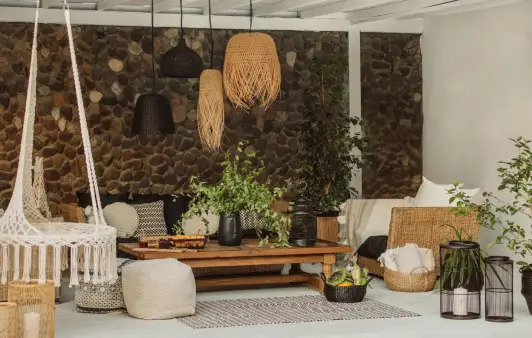
Embracing Nature: Incorporating Natural Elements in Interior Design In recent years, there has been a growing trend in interior design towards embracing natural elements. Homeowners and designers alike are recognizing the beauty and benefits that incorporating nature into our living spaces can bring. From wooden furniture and stone accents to plants and natural light, these elements have the power to transform a room, creating a calming and inviting atmosphere. Embracing natural elements in interior design means bringing the outdoors inside by using materials and colors inspired by nature. This design concept aims to create a harmonious and balanced environment that reconnects individuals with the natural world. By incorporating natural elements, interior designers can create spaces that are visually appealing, soothing, and conducive to well-being. One of the ways to embrace natural elements in interior design is through the use of organic materials. Wood, stone, bamboo, and other sustainable materials can be utilized for flooring, furniture, wall coverings, and accessories. These materials bring warmth and texture into a space, adding a touch of nature’s beauty. Additionally, natural fibers like linen, cotton, and jute can be used for upholstery, curtains, and rugs, enhancing the tactile experience and creating a sense of comfort. Another way to incorporate natural elements is through the use of colors inspired by nature. Earthy tones such as greens, browns, and blues can create a calming and peaceful atmosphere, reminiscent of the outdoors. These colors can be incorporated through wall paint, textiles, and decorative accents, providing a sense of tranquility and connection to nature. Furthermore, natural light is a crucial element in interior design that can be utilized to embrace nature. Maximizing the use of natural light through well-placed windows, skylights, and glass doors can create a sense of openness and bring the outdoors inside. This not only enhances the visual appeal of a space but also provides health benefits by improving mood, productivity, and overall well-being. Embracing natural elements in interior design allows individuals to create spaces that are not only visually appealing but also promote a sense of connection to nature. By incorporating organic materials, colors inspired by nature, and maximizing natural light, interior designers can create environments that are harmonious, comforting, and conducive to a balanced and healthy lifestyle. In this blog post, we will explore the beauty of embracing natural elements in interior design and how they contribute to creating timeless and captivating spaces. Bringing Nature Indoors: The Beauty of Natural Elements Nature has an inherent ability to soothe and inspire us. The textures, colors, and patterns found in natural elements evoke a sense of authenticity and timelessness. Incorporating elements like wood, stone, plants, water, and even sunlight into interior design creates an atmosphere that resonates with the essence of the outdoors. These elements also contribute to the overall well-being of inhabitants, fostering a connection with the environment. 1. Bring Wood into Your Domain: Wood is the cornerstone of natural interior design. Its warmth and organic texture bring a sense of comfort and serenity to any room. Incorporate wooden furniture pieces, such as dining tables, sideboards, or bed frames, to add a touch of nature. Choose sustainably sourced or reclaimed wood options to reduce your environmental impact while adding character and charm to your space. 2. The Elegance of Stone Stone accents are an excellent way to infuse your home with a timeless and earthy feel. From jaw-dropping stone fireplaces to captivating feature walls, stone adds texture, depth, and raw beauty to any interior. Play with different types of stone, such as marble, limestone, or slate, to create a unique focal point that reflects your style and personality. 3. Green Oasis with Indoor Plants Utilizing embrace natural elements such as indoor plants can promote better air quality while also adding visual interest to your home or office. Bringing the outside in through the inclusion of indoor plants is a trend that has gained significant momentum. Not only do plants add a touch of greenery and visual interest, but they also purify the air by removing toxins and providing fresh oxygen. Incorporate a mix of large leafy plants, cascading vines, or delicate succulents to create a natural oasis that promotes a calming and relaxing atmosphere. 4. Harness the Power of Natural Light Natural light is an invaluable asset in interior design. It invigorates your space, enhances the aesthetic appeal, and greatly impacts your mood and well-being. Maximize the presence of natural light by strategically placing mirrors to reflect sunlight, using sheer curtains or blinds to soften the intensity, and opting for skylights or large windows to flood your rooms with brightness. Embrace the enchanting dance of light and shadows within your living spaces. 5. The Soothing Symphony of Flowing Water In the realm of interior design, the incorporation of natural elements is a powerful way to transform living spaces into sanctuaries of tranquility and beauty. Among these elements, flowing water stands out as a captivating feature that brings a sense of calm and harmony to any environment. In this exploration of interior design, we delve into the enchanting world of water features and how they contribute to creating a serene and soothing ambiance within our homes. Conclusion: Embracing natural elements in interior design not only brings beauty and visual interest but provides numerous health benefits as well. By combining natural materials like natural stone with biophilic design principles, we can create healthier and more sustainable built environments. By incorporating wood furniture, stone accents, indoor plants, and natural light, you can create timeless and captivating spaces that evoke a sense of serenity, promote well-being, and reconnect you with nature. So, go ahead and infuse your home with the beauty of natural elements, transforming it into a sanctuary that leaves a lasting impression on your guests and brings you joy and tranquility every day.

Sustainable DIY Projects

Using reused materials for sustainable DIY projects is a terrific way to give old objects a new life. Recycling fabric scraps to make useful goods is a sustainable option sustainability strategy. I chose to create a mosaic using paper towels, leftover scrap fabric, and an old picture frames since I wanted a creative project. Utilizing eco-friendly lifestyle and handy, practical useful tools equipment like low-flow showerheads and energy-efficient lightbulbs can help you lessen your influence on the environment. One of the best strategies to go toward a sustainable way lifestyle is to go on shopping trips that produce zero trash and no plastic bags. A great way to give old things a new life is to take on sustainable DIY projects that use repurposed materials. By using the tools provided through Design Space, sustainable DIY projects can bring their creative ideas to life and enjoy the sense of accomplishment that comes with a successful project. From building energy-efficient homes to upcycling old furniture, there are countless sustainable DIY projects you can do to make your home more eco-friendly. such as creating reusable grocery bags or a water-saving irrigation system can help you reduce your carbon footprint. Making your own compost bin is a great way to engage in sustainable DIY projects and reduce your family’s environmental impact.Sustainable DIY projects are a great way to reduce waste, save money, and minimize your environmental impact. Here are some ideas for sustainable DIY projects across various categories: 1. Upcycled Furniture: Revamp old furniture by painting, refinishing, or reupholstering it. You can turn an old dresser into a unique statement piece or transform wooden pallets into functional outdoor seating. At interiormean.com, we offer a variety of sustainable DIY projects to help you bring your home decor dreams to life. 2. Clothing and Textiles: Repurpose old clothing into new items like tote bags, pillow covers, or patchwork quilts. You can also try your hand at mending and altering clothes to extend their lifespan. With a few simple steps, you can create sustainable DIY projects that will have a positive impact on the planet and your wallet. 3. Vertical Gardens: Create vertical gardens using recycled containers, pallets, or even shoe organizers. This is a great way to grow your own herbs, flowers, or small vegetables in limited spaces.If you’re looking for eco-friendly design ideas, look no further than interiormean.com for some great sustainable DIY projects. 4. Reusable Cloth Products: Make your own reusable items like cloth napkins, dishcloths, and cloth grocery bags to replace disposable options. Crafting your own sustainable DIY projects is a great way to reduce your home’s environmental impact and save money. 5. Homemade Cleaning Products: Create your own cleaning products using simple ingredients like vinegar, baking soda, and essential oils. This reduces the need for single-use plastic bottles and harmful chemicals. 6. Beeswax Wraps: Make your own reusable beeswax wraps to replace plastic cling wrap for storing food. Sustainable options such as drawstring bags are a great way to reduce reliance on plastic bags and help preserve our environment. 7. Composting Systems: Build a compost bin or vermicomposting system to turn your kitchen scraps into nutrient-rich soil for your garden. Using upcycled materials and repurposed resources can help to ensure that your sustainable DIY projects don’t add to the clutter in your home or the waste in landfills. 8. Solar-Powered Chargers: Construct a solar-powered charger for your electronic devices to harness renewable energy. 9. Repurposed Planters: Use old containers such as tin cans, teacups, and boots to create unique planters for your indoor or outdoor plants. Planting a small vegetable garden is an enjoyable, affordable, and sustainable DIY project. 10. Energy-Efficient Home Improvements: Make your home more energy-efficient by adding weatherstripping, insulating windows, and using smart thermostats. By using the tools provided through Design Space, sustainable DIY projects can bring their creative ideas to life and enjoy the sense of accomplishment that comes with a successful project. 11. Repurposed Art: Upcycling old materials into sustainable DIY projects is an inspiring and creative activity. Turn old magazines, newspapers, and other paper materials into intricate art pieces like papier-mâché sculptures or collages. 12. Homemade Personal Care Products: Create your own natural personal care products like shampoo, soap, and lotion to reduce your use of commercial products packaged in plastic. Making your own sustainable DIY projects and homemade personal care products is a great way to get creative while contributing to a green life! 13. Reusable Cloth Diapers: For parents, sewing your own cloth diapers can be an eco-friendly alternative to disposable ones. 14. Recycled Jewelry: Recycled Jewelry: Craft jewelry using repurposed materials like old buttons, broken jewelry pieces, or recycled metals. Crafting Recycled Jewelry can be a fun and fulfilling way to engage in sustainable DIY projects. 15. DIY Cleaning Supplies: Make your own all-purpose cleaners, glass cleaners, and more using simple ingredients like vinegar, lemon juice, and baking soda. 16. Rainwater Harvesting System: A rainwater harvesting system is a great sustainable DIY project to consider if you are looking for ways to conserve water and reduce your water bill. Build a rainwater collection system to capture rainwater for outdoor watering, reducing your reliance on tap water. 17. Homemade Candles: Create your own candles using natural waxes like soy or beeswax, along with eco-friendly wicks and essential oils for fragrance. Getting creative with sustainable DIY projects like homemade candles can be a great way to reduce waste and save money. Remember, sustainable DIY projects are not only environmentally friendly but also an opportunity to express your creativity and personalize your living space. Be sure to research and gather the necessary materials before starting your projects, When embarking on these DIY projects, try to use materials you already have or source them fro and enjoy the process of making your home more eco-friendly and uniquely yours.

Maximizing Storage in Small Space

No matter how much space you have at home, it never seems like enough. It could seem nearly impossible to store all of your possessions if you’re working with a little space to begin with and few storage options. Lucky for you, interiormean.com have solutions. Compact shelving units provide maximizing storage in small spaces. To maximizing even the smallest of spaces. A small apartment can pose a challenge in terms of garage, but with a little bit of creativity and a beneficial organizational device, you can effortlessly maximizing space. Lack of closet space is a common problem in compact homes, which may make entrance storage especially difficult. Equip the space with a variety of hooks and open shelves to make up for the lack of a garage at your front door and create a family-friendly dropzone. Utilize baskets or packing containers at the cabinets to organize belongings by family member or type of object. In order to maximizing storage space, Interiormean.com specializes in developing fashionable, practical design solutions. Maximizing storage in small space A streamlined domestic is always the aim, but taming muddle when you’re area bad may be complicated – Small space storage ideas could make all the difference. Utilize vertical space by installing shelving units on walls to maximize storage space. living with confined area doesn’t imply resigning your self to a domestic overcrowded with ‘stuff’, so don’t learn how to live with it, learn how to shop it as an alternative. While organizing small areas, utilising a room’s storage capability to its absolute maximum is imperative. Installing a vertical hanging rod is an efficient way for maximizing storage in small space. whether you’re thought approximately domestic organizing thoughts or looking for the fine decluttering pointers, each inch counts. And besides the posh of considerable area, you’ll want to get a touch innovative. ‘It’s probably not now not the case which you have ‘no area’, rather which you just haven’t determined it but – ‘hidden’ spaces frequently get disregarded. locating those and utilising them is the first step toward maximizing garage capacity in smaller houses’, says expert organizer Interiormean.com has dozens of smart ideas to make the most of your small space storage needs. Smart Storage Solutions for Home Office There is frequently extra space in smaller homes that can be used as a living room, small kitchen, or small closet. Utilizing spare space in the home office to design custom storage solutions will help you maximize storage in shelf space. Utilizing shelf space will maximize storage capacity for modest everyday items. Her living room had a modern appearance thanks to the minimalist floating shelves on the wall, a chic coffee table, and beautiful closet doors. Utilizing unused space with small items is a great way to maximize storage space. Small Space Storage Ideas While some best ideas for small spaces require a bit paintings, others may be as simple as implementing powerful decluttering hints, or converting up your rental diagram ideas. not sure wherein to begin? We’ve gleaned recommendation from the experts on fashionable answers for storing and stashing that will help you streamline your spaces. There are numerous compact solutions for maximizing storage in small space that may help optimize the distance of an rental or dorm room. With fewer items to store, you can avoid overcrowding and utilize the space available to its best potential. Maximizing storage space is one of the main focuses of interiormean.com, offering customers tips and tricks to optimize their living space. Decluttering regularly is important in any home, but even more so if you’re short on storage space. ‘in case you don’t have enough area for the items you very own, the query possibly isn’t about your garage, it’s about your stuff. Do you really want, use and love all of those items? We keep loads of things ‘simply in case’, when the reality is that our small rooms would be extra non violent and alluring except unnecessary muddle’. Interiormean.com collection of fixtures, accessories, and organizational storage objects will let you maximizing storage space. In case you’re now not positive in which to start, specialists regularly recommend the closet. it could sense overwhelming, however there’s plenty of strategies you can use to declutter garments rapid, as well as some decluttering errors you’ll probably want to keep away from. The trick is to preserve calm; it may be an emotional technique, so be type to your self. Many small houses lack enough closet space, that could make entryway storage, in particular, pretty the challenge. To make up for a garage scarcity around your the front door, outfit the distance with a dissimilation of hooks and open shelves to create a customized dropzone that works for your family. Use packing containers or baskets at the cabinets to kind property by member of the family or sort of item. Interiormean.com specializes in creating stylish, efficient design solutions for maximizing storage space. If you have a lot of plants and a little space, Design Space offers efficient solutions for maximizing storage space in small spaces. think about storage options that keep your pots off your floors and save your counter space while still being aesthetically beautiful. For storage that also serves as a display, hang planters from the ceiling, mount pots on the walls, and tuck plants away on shelves. The next natural place to showcase fresh greenery is on the walls and from the ceilings if you’ve run out of space for plants on your tables and shelves. With creative design techniques, Design Space helps homeowners maximize storage space in their homes. In addition to being a useful addition to your house, hanging planters also come in a variety of fashionable designs to suit every taste. Additionally, hanging plants are a fantastic way to keep delicate types away from small children or dogs. Make careful to consider the size of your plant as well as the method of hanging it when selecting a hanging planter. You can make do with a hook

Tips for Designing Functional Retail Interiors

Retail spaces do more than showcase products—they shape customer experiences, influence buying behavior, and reflect your brand identity. A well-designed retail interior must be both beautiful and highly functional to drive sales and improve customer satisfaction. Here are some expert tips to help you create a retail space that’s not only visually appealing but also works hard for your business. 1. Understand Your Customer Journey Before you start designing, map out how customers will move through your store. Consider entry points, display zones, checkout locations, and impulse-buy areas. Tip: Use layout strategies like the “decompression zone” near the entrance to ease customers into your store environment. 2. Choose the Right Floor Plan Different store types benefit from different layouts. For example: Grid layout (ideal for grocery and pharmacy stores) Loop layout (guides customers through a curated path) Free-flow layout (common in boutiques and lifestyle shops) Tip: Choose a layout that supports browsing and encourages exploration. 3. Optimize Lighting Lighting affects how customers perceive products and sets the store’s mood. Use a combination of ambient, task, and accent lighting to highlight key items and create atmosphere. Tip: Natural light makes spaces more inviting—use large windows or skylights where possible. 4. Keep the Space Flexible Design your interiors to be easily updated. Modular displays, movable fixtures, and adaptable signage let you refresh your layout for promotions or seasonal changes. Tip: Rolling racks and pegboard walls are great for quick merchandising changes. 5. Create Strong Focal Points Direct customer attention with strategic focal points like feature displays, new arrivals, or promotional items. This helps break up the visual flow and keeps people engaged. Tip: Use lighting, bold signage, or color to draw attention to high-margin products. Also Read: Colour Treading 6. Ensure Clear Navigation Customers should be able to find what they’re looking for without confusion. Use clear wayfinding signage, consistent category labels, and logical product groupings. Tip: Keep high-demand items at the back of the store to encourage exploration. 7. Incorporate Branding into the Design Your retail interior should reflect your brand identity. Use your brand colors, fonts, and tone consistently across signage, walls, and displays. Tip: A cohesive brand experience builds trust and encourages loyalty. 8. Prioritize Comfort and Accessibility Make sure your store is welcoming to everyone. Include wide aisles, seating areas, and accessible fitting rooms. Don’t forget about temperature and scent! Tip: Music and scent marketing can enhance the atmosphere and impact dwell time. 9. Use Technology Wisely Digital displays, interactive kiosks, or QR codes can enhance engagement. Just make sure tech adds value and doesn’t create friction in the shopping process. Tip: Use analytics tools to track customer movement and optimize your layout. 10. Test and Evolve Great retail design is never finished. Observe customer behavior, gather feedback, and be willing to adjust. Small layout changes can lead to big improvements in flow and sales. Tip: A/B test different layouts or product placements to see what works best. Final Thoughts A functional retail interior blends form with purpose. By focusing on customer experience, smart layout choices, and adaptable elements, you can create a space that not only looks good—but performs. Whether you’re opening a new store or redesigning an existing one, use these tips to craft a retail environment that drives results.

10 Excellent Bedroom Interior Design Ideas

Your bedroom is more than just a place to sleep—it’s your personal retreat. A well-designed bedroom not only boosts relaxation but also reflects your style and personality. Whether you’re planning a total makeover or just want a little refresh, here are 10 excellent bedroom interior design ideas to inspire you. 1. Embrace Minimalism A minimalist bedroom creates a calming atmosphere with clean lines, neutral tones, and functional furniture. Stick to a neutral palette—think whites, greys, and beiges—and limit decorative clutter to achieve a serene, modern space. Tip: Opt for multi-functional furniture like storage beds and floating nightstands to maintain a clean aesthetic. 2. Add a Statement Wall Introduce personality into your space with a statement wall. Whether it’s a bold paint color, textured wallpaper, wood paneling, or even a mural, one dramatic wall can transform the whole room. Tip: The wall behind your bed is the best choice for creating visual impact. 3. Layer Your Lighting Good lighting is essential. Combine ambient (ceiling), task (reading lamps), and accent (LED strips or fairy lights) lighting to create depth and flexibility in your space. Tip: Install dimmer switches for customizable lighting moods. 4. Go Natural with Materials Wood, linen, rattan, and jute can add warmth and texture. Natural materials not only look timeless but also promote a peaceful, grounding atmosphere. Tip: A wooden bed frame or linen curtains can instantly add an earthy, organic feel. 5. Maximize Storage Without Sacrificing Style Clutter disrupts relaxation. Use smart storage solutions like under-bed drawers, wall-mounted shelves, or built-in wardrobes to keep everything organized. Tip: Try matching your storage units to your wall color for a seamless look. 6. Incorporate a Seating Area If space allows, add a cozy reading nook or a bench at the foot of the bed. It makes your room feel more like a luxurious suite than just a place to sleep. Tip: Choose soft, plush seating with layered throws and cushions for extra comfort. 7. Play with Textures Mixing textures—like velvet cushions, a chunky knit throw, or a shag rug—adds depth and visual interest. A balance of soft and structured elements keeps the room from feeling flat. Tip: Stick to a cohesive color scheme to avoid overwhelming the space. 8. Bring in Greenery Indoor plants bring life, color, and fresh air into your bedroom. From small succulents to larger floor plants like fiddle leaf figs, greenery can enhance the ambiance. Tip: Low-maintenance plants like snake plants or pothos are great choices for beginners. 9. Choose Art That Reflects You Art personalizes your bedroom and sets the mood. Whether it’s a large canvas above the bed or a gallery wall, choose pieces that resonate with your style and evoke calm. Tip: Black and white prints work beautifully in minimalist rooms, while abstract pieces complement modern interiors. Also Read: Colour Treading 10. Invest in Quality Bedding Your bed is the focal point, so invest in high-quality bedding. Crisp sheets, layered duvets, and plenty of pillows can turn even a simple bed into a luxurious haven. Tip: Stick to breathable fabrics like cotton or linen for year-round comfort. Final Thoughts Your bedroom should be a reflection of you—a place that comforts and inspires. Whether you love sleek modern spaces or cozy, rustic vibes, these interior design ideas will help you craft a bedroom you’ll never want to leave. Start with one idea or mix and match to suit your vision!

Design Space
Privacy Overview

This website uses cookies so that we can provide you with the best user experience possible. Cookie information is stored in your browser and performs functions such as recognising you when you return to our website and helping our team to understand which sections of the website you find most interesting and useful.