Exterior Design Trends That Will Transform Your Home in 2026

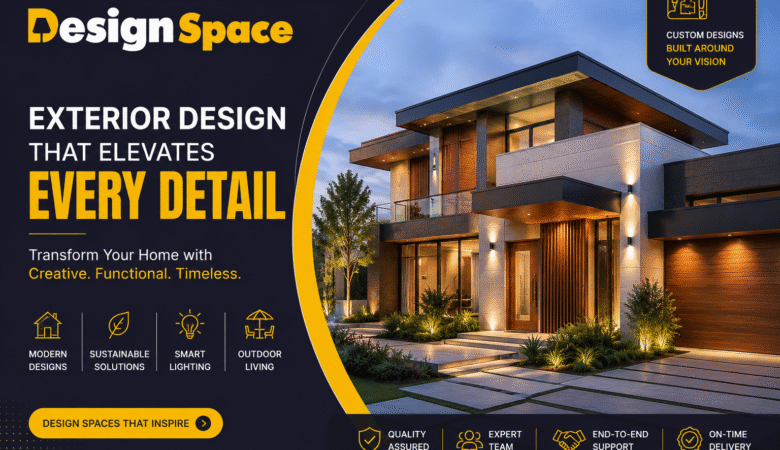
The exterior of a home is the first thing people notice. A thoughtfully designed exterior not only creates a lasting impression but also increases property value, enhances functionality, and improves overall aesthetics. As homeowners seek modern, sustainable, and visually appealing designs, exterior design trends continue to evolve. At Interior Mean, we specialize in creating stunning exterior designs that blend beauty, durability, and innovation. Whether you’re building a new home or renovating an existing property, understanding the latest trends can help you make informed design decisions. Why Exterior Design Matters A home’s exterior serves multiple purposes beyond appearance: Creates a strong first impression Enhances property value Improves energy efficiency Increases durability against weather conditions Reflects personal style and architectural preferences Provides a welcoming atmosphere Investing in professional exterior design services ensures that every element works together harmoniously. Top Exterior Design Trends for 2026 1. Sustainable and Eco-Friendly Materials Sustainability continues to dominate modern architecture. Homeowners are increasingly choosing environmentally friendly materials such as: Recycled wood Natural stone Composite cladding Sustainable concrete finishes Energy-efficient exterior coatings These materials reduce environmental impact while offering long-lasting durability. 2. Modern Minimalist Facades Clean lines and uncluttered aesthetics remain popular in 2026. Modern minimalist exteriors often feature: Neutral color palettes Large windows Geometric shapes Flat or low-slope roofs Simple landscaping This design approach creates a sophisticated and timeless appearance. 3. Smart Outdoor Lighting Smart lighting systems improve both security and aesthetics. Homeowners are integrating: Motion-sensor lighting Smart pathway lights Automated landscape lighting Energy-efficient LED fixtures Proper lighting highlights architectural features while enhancing safety. 4. Mixed Material Exteriors Combining multiple materials creates visual interest and depth. Popular combinations include: Stone and wood Brick and metal Concrete and glass Timber and textured panels These combinations provide a contemporary look while maintaining warmth and character. 5. Bold Entrance Designs The entrance serves as the focal point of any home exterior. Trending entrance features include: Oversized doors Statement lighting fixtures Decorative metal accents Custom house numbers Modern porch designs A striking entrance instantly boosts curb appeal. 6. Outdoor Living Spaces Homeowners are extending their living areas outdoors with: Covered patios Outdoor kitchens Fire pits Pergolas Lounge seating areas These additions create functional spaces for relaxation and entertainment. 7. Nature-Inspired Landscaping Modern exterior design increasingly incorporates natural elements through: Native plants Vertical gardens Water features Sustainable irrigation systems Low-maintenance greenery Landscaping helps connect the home with its surrounding environment. 8. Dark and Contrasting Color Schemes Bold exterior colors are gaining popularity. Common choices include: Charcoal gray Matte black Deep navy blue Earthy browns Contrasting white accents These combinations create a dramatic and elegant appearance. Benefits of Professional Exterior Design Services Improved Property Value Professionally designed exteriors significantly increase market appeal and resale value. Enhanced Functionality Expert designers ensure optimal use of outdoor spaces, entrances, pathways, and landscaping. Better Energy Efficiency Strategic material selection and design planning can reduce energy consumption and maintenance costs. Customized Solutions Every property has unique requirements. Professional designers create solutions tailored to your style, budget, and architectural needs. Long-Term Durability Quality materials and proper planning ensure the exterior remains attractive and functional for years. Key Elements of a Successful Exterior Design Project Architectural Style Consistency The exterior should complement the home’s architectural character. Material Selection Choosing the right materials impacts aesthetics, durability, and maintenance. Color Coordination A balanced color palette enhances visual harmony. Landscaping Integration Landscape elements should seamlessly blend with the architectural design. Lighting Design Well-planned lighting enhances beauty, safety, and usability. How Interior Mean Helps You Create Stunning Exteriors At Interior Mean, we combine creativity, technical expertise, and industry knowledge to deliver exceptional exterior design solutions. Our team focuses on: Personalized design consultations Modern architectural concepts Sustainable design solutions Premium material recommendations Detailed project planning End-to-end design support Our goal is to create exteriors that are visually striking, practical, and built to last. Frequently Asked Questions (FAQ) 1. What is exterior design? Exterior design involves planning and enhancing the outer appearance of a building, including facades, landscaping, lighting, entrances, and outdoor living spaces. 2. Why should I hire a professional exterior designer? Professional designers bring expertise in aesthetics, functionality, materials, and project planning to achieve the best results. 3. How much does exterior design cost? The cost varies depending on project size, design complexity, materials, and customization requirements. 4. What are the latest exterior design trends in 2026? Popular trends include sustainable materials, minimalist facades, smart lighting, mixed-material exteriors, and outdoor living spaces. 5. Can exterior design increase property value? Yes. A well-designed exterior improves curb appeal and can significantly increase resale value. 6. How long does an exterior design project take? Project timelines vary based on scope, but most residential exterior design projects take several weeks to a few months. 7. Which materials are best for modern home exteriors? Popular choices include natural stone, wood cladding, composite panels, concrete finishes, and energy-efficient materials. 8. Does landscaping play an important role in exterior design? Absolutely. Landscaping enhances aesthetics, improves functionality, and creates a cohesive outdoor environment. Conclusion Exterior design is more than just improving appearance—it’s about creating a welcoming, functional, and valuable living environment. With evolving trends focused on sustainability, modern aesthetics, and outdoor living, homeowners have more opportunities than ever to enhance their property’s curb appeal. Whether you’re planning a complete renovation or building a new home, professional exterior design services can help bring your vision to life. At Interior Mean, we are committed to creating beautiful and practical exterior spaces that reflect your style while adding lasting value to your property. Ready to transform your home’s exterior? Contact Interior Mean today and let our design experts create an exterior that stands out for all the right reasons.
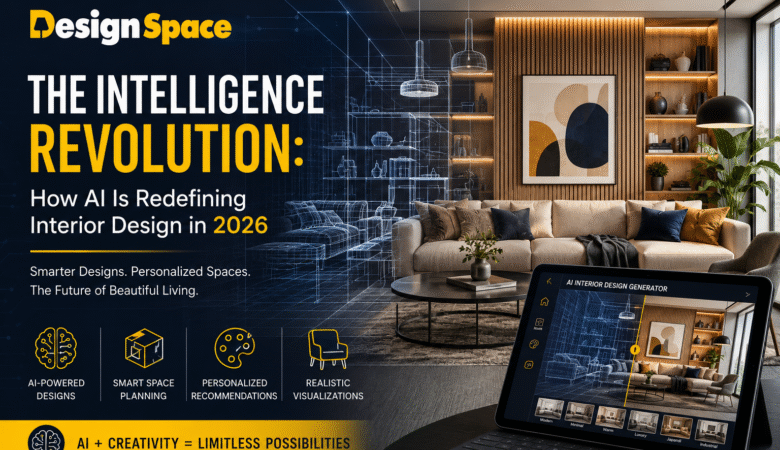
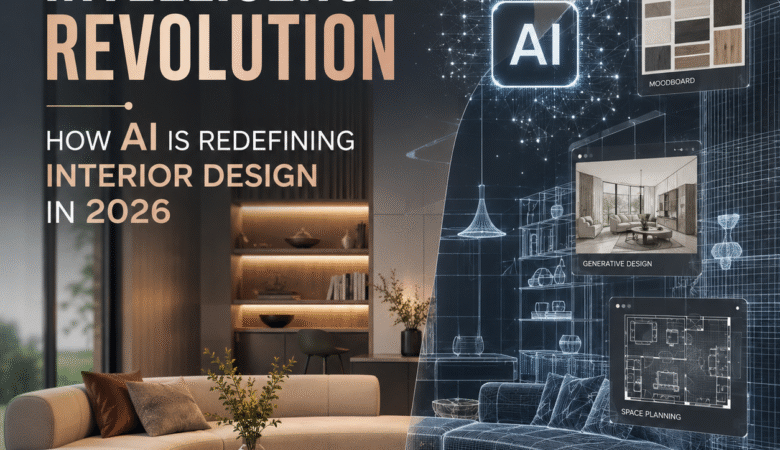
The Intelligence Revolution: How AI Is Redefining Interior Design in 2026

Interior design is experiencing a remarkable transformation in 2026. Artificial Intelligence (AI) is no longer a futuristic concept—it’s actively reshaping how homes, offices, and commercial spaces are designed. From generating realistic room visualizations to optimizing layouts and recommending furniture, AI is helping designers and homeowners create beautiful spaces faster and more efficiently than ever before. AI-powered tools are accelerating concept development, improving client collaboration, and making professional-quality design more accessible. This revolution isn’t about replacing interior designers; it’s about enhancing creativity, streamlining workflows, and delivering personalized design experiences. What Is AI-Powered Interior Design? AI-powered interior design uses machine learning, computer vision, and generative AI technologies to analyze spaces, understand user preferences, and generate design recommendations. Modern AI tools can: Create realistic room visualizations within seconds Suggest furniture arrangements Recommend color palettes Generate multiple design concepts Optimize space utilization Assist with lighting planning Produce virtual staging for real estate properties These capabilities allow homeowners and designers to explore countless possibilities before making costly decisions. Key Ways AI Is Transforming Interior Design 1. Faster Concept Development Traditional concept creation could take days or weeks. AI now generates multiple room concepts in minutes, enabling designers to explore more ideas and present diverse options to clients. This significantly reduces project timelines while maintaining creativity. 2. Personalized Design Experiences AI analyzes user preferences, lifestyle needs, and design inspirations to create highly customized recommendations. Instead of generic designs, homeowners receive solutions tailored specifically to their tastes and functional requirements. 3. Enhanced Visualization One of the biggest challenges in interior design has always been helping clients visualize the final outcome. AI-generated renderings and virtual walkthroughs provide photorealistic previews, reducing uncertainty and improving decision-making. 4. Smart Space Planning AI can evaluate room dimensions, traffic flow, and furniture placement to create layouts that maximize functionality and comfort. This is particularly valuable for compact urban homes where every square foot matters. 5. Budget Optimization Advanced AI systems can suggest alternative materials, furnishings, and layouts that align with a homeowner’s budget while maintaining aesthetic quality. This helps achieve premium results without overspending. Top Interior Design Trends Influenced by AI in 2026 Warm Minimalism Clean lines remain popular, but designers are incorporating warmer colors, natural materials, and cozy textures to create more inviting environments. AI tools frequently recommend these combinations based on current design preferences. Nature-Inspired Design Earthy tones, natural stone, wood textures, and biophilic elements continue to dominate interior spaces. AI recognizes these trends and integrates them into design recommendations. Personalized Spaces Homeowners increasingly seek interiors that reflect their personalities rather than following generic trends. AI enables deeper personalization through preference-based design generation. Smart Home Integration Technology is becoming seamlessly integrated into interior design. AI assists in planning layouts that accommodate smart lighting, climate control, and connected devices without compromising aesthetics. Benefits of AI for Interior Designers Increased Productivity AI automates repetitive tasks, allowing designers to focus on strategy, creativity, and client relationships. Better Client Communication Visual AI-generated presentations help clients understand design concepts quickly and provide meaningful feedback. More Creative Exploration Designers can test numerous styles, layouts, and color combinations without extensive manual effort. Competitive Advantage Professionals who embrace AI can deliver projects faster, improve customer satisfaction, and stay ahead in an evolving industry. The Human Touch Still Matters Despite rapid advancements, AI cannot replace human creativity, empathy, and experience. Successful interior design requires understanding emotions, lifestyles, cultural influences, and personal stories—qualities that remain uniquely human. AI works best as a collaborative partner rather than a replacement. The most successful projects combine technological efficiency with human insight. Industry experts consistently emphasize that great design is ultimately about creating meaningful experiences, not just visually appealing spaces. Challenges and Considerations While AI offers significant advantages, there are some limitations: AI-generated concepts may lack emotional depth. Overreliance on trends can create repetitive designs. Privacy concerns may arise when uploading room images. Human review is essential to ensure practicality and accuracy. Designers should use AI thoughtfully while maintaining creative control and professional judgment. The Future of AI in Interior Design Looking ahead, AI will become even more integrated into design workflows. Emerging technologies are expected to offer: Real-time design adjustments Augmented reality room visualization Predictive design recommendations Advanced sustainability analysis Voice-controlled design assistants As these innovations mature, homeowners and designers will gain unprecedented control over creating personalized, efficient, and beautiful spaces. Conclusion AI is revolutionizing the interior design industry in 2026 by making design more accessible, efficient, and personalized. From instant visualizations and intelligent space planning to customized recommendations and faster project delivery, AI is transforming how spaces are imagined and created. However, technology alone cannot replace human creativity and emotional intelligence. The future belongs to designers who embrace AI as a powerful tool while continuing to deliver the unique human perspective that turns houses into homes. By combining innovation with artistry, the next generation of interior design will be smarter, more personalized, and more inspiring than ever before. Frequently Asked Questions (FAQs) 1. What is AI interior design? AI interior design uses artificial intelligence to generate layouts, color schemes, furniture arrangements, and room visualizations based on user preferences and space dimensions. 2. Can AI replace interior designers? No. AI enhances efficiency and creativity but cannot replace human expertise, emotional understanding, and personalized decision-making. 3. How does AI help homeowners? AI helps homeowners visualize design ideas, compare styles, optimize layouts, and make informed purchasing decisions before investing in renovations. 4. Is AI interior design expensive? Many AI design tools offer more affordable solutions than traditional design services, making professional-quality design more accessible. 5. What are the biggest AI-driven design trends in 2026? Warm minimalism, nature-inspired interiors, personalized spaces, smart home integration, and AI-assisted visualization are among the leading trends.

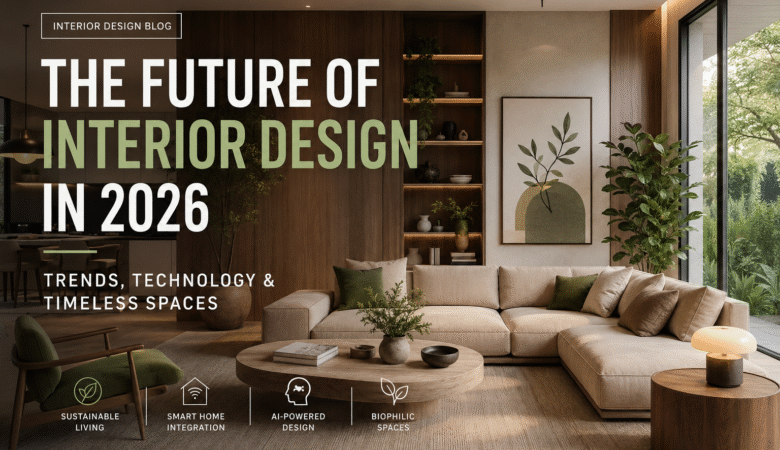
The Future of Interior Design in 2026: Trends, Technology & Timeless Spaces

Interior design in 2026 is no longer just about creating beautiful spaces—it is about designing environments that enhance lifestyle, wellness, sustainability, and functionality. As homeowners and businesses seek more personalized and intelligent interiors, the industry is embracing innovative technologies, eco-friendly materials, and flexible design concepts. Whether you are planning a home renovation, designing a commercial space, or simply looking for inspiration, understanding the latest interior design trends can help you create spaces that are both stylish and future-ready. Why Interior Design Matters More Than Ever A well-designed interior can: Improve comfort and functionality Enhance mental well-being Increase property value Optimize space utilization Reflect personal style and identity Improve productivity in work environments Modern interior design combines aesthetics with practicality, ensuring that every element serves a purpose while contributing to the overall visual appeal. Top Interior Design Trends for 2026 1. AI-Powered Interior Design Artificial Intelligence is transforming the design industry by helping homeowners and designers: Generate room layouts instantly Visualize spaces before construction Create personalized design recommendations Optimize furniture placement Improve space planning efficiency AI tools are making professional-quality design accessible to a broader audience while reducing design errors and project costs. 2. Sustainable and Eco-Friendly Interiors Sustainability remains one of the biggest priorities in modern interior design. Popular eco-friendly choices include: Reclaimed wood furniture Bamboo flooring Recycled materials Energy-efficient lighting Low-VOC paints Sustainable fabrics Homeowners are increasingly seeking environmentally responsible design solutions that reduce their carbon footprint without compromising style. 3. Smart Home Integration Technology is becoming a natural part of interior design. Smart features include: Voice-controlled lighting Automated curtains Smart thermostats Intelligent security systems App-controlled appliances Energy management systems The goal is to create seamless living experiences where technology enhances convenience without dominating the design. 4. Biophilic Design Biophilic design focuses on connecting people with nature through interior spaces. Key elements include: Indoor plants Natural light Organic materials Water features Natural textures Earth-inspired color palettes Research continues to show that nature-inspired interiors can reduce stress and improve overall well-being. 5. Multifunctional Spaces As remote work and hybrid lifestyles continue, homeowners need rooms that serve multiple purposes. Examples include: Home office and guest room combinations Convertible furniture Modular storage solutions Flexible living areas Space-saving layouts Designers are creating adaptable spaces that evolve with changing needs. Popular Interior Color Trends in 2026 Earthy Neutrals Warm beige, sand, clay, and taupe create calming environments. Deep Greens Inspired by nature, green tones bring freshness and sophistication. Warm Terracotta Adds warmth and character to contemporary interiors. Soft Blues Ideal for creating peaceful and relaxing spaces. Rich Browns Natural wood-inspired shades are making a strong comeback. Interior Design Styles Dominating 2026 Modern Minimalism Characterized by: Clean lines Neutral palettes Functional furniture Clutter-free spaces Contemporary Luxury Features include: Premium materials Statement lighting Custom furniture Elegant finishes Scandinavian Design Known for: Simplicity Natural materials Bright interiors Functional layouts Japandi Style A blend of Japanese and Scandinavian aesthetics featuring: Minimalism Natural textures Warm neutral colors Timeless design elements The Role of Lighting in Modern Interiors Lighting is one of the most important aspects of interior design. Effective lighting design includes: Ambient lighting Task lighting Accent lighting Decorative lighting Layered lighting creates depth, enhances functionality, and highlights architectural features. Interior Design Tips for Small Spaces If you’re working with limited square footage: Use light color schemes. Incorporate mirrors to create visual depth. Choose multifunctional furniture. Maximize vertical storage. Reduce visual clutter. Utilize natural light effectively. These strategies can make smaller rooms appear larger and more inviting. How Technology Is Shaping the Future of Interior Design Emerging technologies are revolutionizing the design process through: Virtual Reality (VR) walkthroughs Augmented Reality (AR) visualization AI-generated concepts Smart material innovations Digital project management tools These advancements help clients better understand designs before implementation, reducing costly changes and improving project outcomes. Benefits of Hiring Professional Interior Designers Working with experienced designers can provide: Expert space planning Budget optimization Access to exclusive materials Project management support Customized design solutions Improved property value Professional designers help transform ideas into practical and visually stunning spaces. Frequently Asked Questions (FAQs) What is the biggest interior design trend in 2026? AI-powered design solutions, sustainable materials, and smart home integration are among the most influential trends shaping interior design in 2026. How can I make my home look modern? Focus on clean lines, neutral colors, quality lighting, functional furniture, and clutter-free spaces while incorporating personal touches. What is biophilic interior design? Biophilic design incorporates natural elements such as plants, sunlight, water features, and organic materials to improve well-being and create a connection with nature. Are smart homes becoming essential in modern interior design? Yes. Smart technology is increasingly integrated into homes to improve convenience, energy efficiency, comfort, and security. Which colors are trending in interior design? Earthy neutrals, deep greens, terracotta shades, soft blues, and rich browns are among the most popular color choices in 2026. Is sustainable interior design expensive? While some sustainable materials may have a higher upfront cost, they often provide long-term savings through durability, energy efficiency, and reduced maintenance. Conclusion Interior design in 2026 is about creating spaces that are intelligent, sustainable, adaptable, and deeply personal. From AI-powered design tools and smart home technology to eco-friendly materials and biophilic concepts, the future of interior design focuses on enhancing both aesthetics and quality of life. By embracing these evolving trends, homeowners and businesses can create environments that are beautiful, functional, and ready for the future.

The Intelligence Revolution: How AI is Redefining Interior Design in 2026

Artificial intelligence has officially moved past the “hype” phase. In 2026, it is no longer just a futuristic concept—it is the primary engine driving a paradigm shift in the interior design industry. From residential sanctuaries to commercial hubs, AI is making the design process faster, smarter, and deeply personal. 1. Precision Space Planning Gone are the hours spent manually calculating spatial ratios and light distribution. Modern AI tools analyze room dimensions and environmental factors to suggest optimal layouts instantly. By leveraging platforms like Planner 5D and Homestyler, designers can now generate high-precision floor plans that maximize every square inch. 2. Hyper-Personalization at Scale AI doesn’t just “guess” style; it analyzes lifestyle patterns. By processing user behavior and aesthetic preferences, AI can curate interiors that act as a true reflection of the inhabitant. Whether it’s a high-functioning minimalist studio or a biophilic luxury suite, the result is a space tailored to the individual’s psychological and physical needs. 3. Real-Time Visualization & Digital Twins The gap between “vision” and “reality” has vanished. With tools like SketchUp and RoomGPT, we have moved into the era of the Instant Preview. Real-time rendering: Change wall colors or furniture textures in a millisecond. Immersive 3D: Clients can “walk” through their space before a single piece of furniture is ordered. 4. Data-Driven Sourcing and Sustainability AI has turned procurement into a strategic advantage. By cross-referencing budgets, room scale, and current supply chain trends, AI recommends decor that is both practical and cost-efficient. More importantly, AI is the new frontier of green design, suggesting eco-friendly materials and energy-efficient layouts that maximize natural light and reduce carbon footprints. 5. From Intuition-Driven to Intelligence-Powered The most significant shift in 2026 isn’t just the tools—it’s the workflow. AI reduces the “guesswork” and endless revision cycles, allowing for faster, data-backed decision-making. This efficiency allows projects to move from concept to execution in a fraction of the traditional timeline. 🚀 The Verdict: Collaboration over Replacement A common misconception is that AI will replace the designer. On the contrary, AI is empowering the designer. By automating the repetitive, technical tasks, it frees the human mind to focus on what it does best: creativity, empathy, and innovation. The future of our industry lies in this synergy: Human Creativity + AI Intelligence = Exceptional Living Experiences Final Thoughts In 2026, embracing AI isn’t just an option—it’s a prerequisite for staying relevant in a rapidly evolving market. Whether you are a professional or a homeowner, we are all stepping into a new era of smarter, more intentional living.

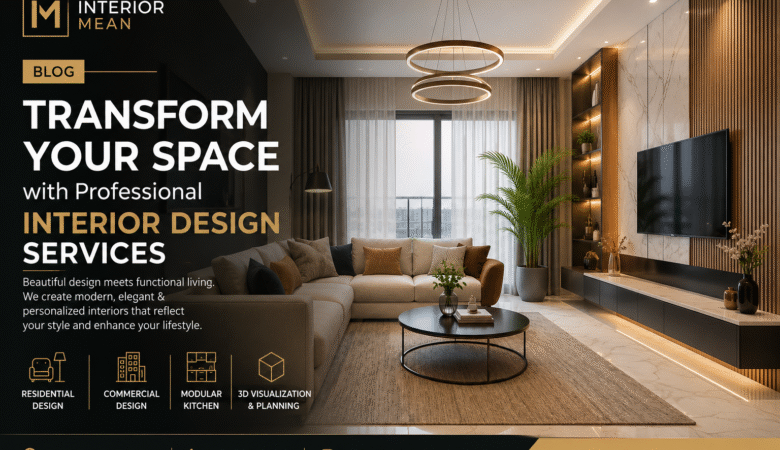
Transform Your Space with Professional Interior Design Services

Creating a beautiful and functional space is more than just choosing furniture and paint colors. Professional interior design combines creativity, planning, and smart execution to transform homes and commercial spaces into inspiring environments. Whether you want a modern living room, a luxurious bedroom, a stylish office, or a complete home renovation, expert interior design services help bring your vision to life. At Interior Mean, every project is designed with a perfect balance of aesthetics, comfort, and functionality to create spaces that truly reflect your personality and lifestyle. Why Interior Design Matters Interior design is not only about decoration. It improves the way a space looks, feels, and functions. A well-designed interior can: Maximize space utilization Improve comfort and functionality Enhance natural lighting and ventilation Increase property value Create a stress-free and organized environment Reflect personal style and taste Modern interior design focuses on creating spaces that are practical, elegant, and timeless. Industry experts also emphasize that successful interior design combines functionality with visual appeal and smart planning. Types of Interior Design Services 1. Residential Interior Design Residential interior design transforms houses into dream homes. From apartments to villas, every corner is carefully planned to improve comfort and beauty. Residential Design Includes: Living room interiors Bedroom interiors Modular kitchen designs Wardrobe and storage solutions False ceiling designs Lighting design Space-saving furniture Balcony and terrace styling Modern homeowners prefer personalized interiors that reflect their daily lifestyle and practical needs. Proper space planning and durable materials are among the most valued features in successful residential interiors. 2. Commercial Interior Design Commercial interiors focus on creating productive, attractive, and professional business environments. Commercial Projects Include: Office interiors Retail stores Restaurants and cafés Hotels and hospitality spaces Clinics and salons Showrooms Professional commercial interiors improve customer experience, employee productivity, and brand identity. 3. Space Planning and Layout Design Space planning is one of the most important elements of interior design. It ensures that every square foot is utilized effectively. Benefits include: Better movement and circulation Efficient furniture placement Smart storage solutions Open and clutter-free spaces Experts highlight that smart layouts and functionality are key to successful modern interiors. 4. Modular Kitchen Design A modular kitchen combines style, convenience, and storage efficiency. Popular Modular Kitchen Styles: L-shaped kitchens U-shaped kitchens Parallel kitchens Island kitchens Contemporary minimalist kitchens Modern kitchens are designed with high-quality finishes, ergonomic layouts, and smart storage systems to improve everyday functionality. 5. 3D Visualization and Interior Rendering 3D interior visualization helps clients understand the final look of their space before execution begins. Advantages: Better design clarity Easy material selection Accurate furniture placement Faster design approvals Reduced design errors Many professional interior firms now use advanced 3D walkthroughs and visualization tools for precise project planning. 6. False Ceiling and Lighting Design Lighting plays a major role in setting the mood and enhancing interiors. Interior Lighting Types: Ambient lighting Task lighting Accent lighting Decorative lighting False ceilings improve aesthetics while allowing better lighting placement and air-conditioning integration. Latest Interior Design Trends Minimalist Interiors Clean lines, neutral tones, and clutter-free spaces continue to dominate modern homes. Sustainable Design Eco-friendly materials, energy-efficient lighting, and natural textures are becoming increasingly popular. Smart Home Integration Technology-driven interiors with automated lighting, smart security, and voice-controlled systems are transforming modern living. Multifunctional Spaces Modern homes now include work-from-home setups, foldable furniture, and flexible layouts. Natural Elements Wood textures, indoor plants, stone finishes, and earthy colors create warm and inviting interiors. Benefits of Hiring Professional Interior Designers Hiring professional interior designers offers several advantages: 1. Expert Planning Designers understand layouts, materials, colors, and functionality. 2. Time and Cost Savings Professional planning helps avoid expensive mistakes and delays. 3. Customized Designs Every design is tailored according to your preferences and lifestyle. 4. Access to Quality Materials Interior professionals have access to trusted vendors and premium materials. 5. Stress-Free Execution Complete project management ensures smooth coordination and timely completion. Many homeowners prefer designers who manage both design and execution because it reduces stress and improves project quality. How to Choose the Right Interior Design Company When selecting an interior design company, consider the following: Portfolio and previous projects Client reviews and testimonials Design style compatibility Transparency in pricing Material quality Timeline commitment Customization options A good interior designer understands your requirements and creates practical solutions rather than simply following trends. Why Choose Interior Mean? At Interior Mean, the focus is on delivering innovative, elegant, and highly functional interior solutions tailored to your needs. What Makes Interior Mean Different? Customized interior solutions Modern and luxury designs Professional project execution Space optimization expertise Quality craftsmanship Client-focused approach Affordable and transparent pricing Whether it’s a residential makeover or a commercial transformation, Interior Mean helps create spaces that combine comfort, functionality, and modern aesthetics. Frequently Asked Questions (FAQs) 1. What services do interior designers provide? Interior designers offer space planning, furniture selection, color consultation, lighting design, modular kitchen design, false ceiling design, renovation planning, and complete project execution. 2. How much does interior design cost? Interior design costs depend on project size, materials, customization, and design complexity. Costs vary for residential and commercial projects. 3. How long does an interior project take? Project timelines vary depending on design scope and execution requirements. Small projects may take a few weeks, while complete home interiors can take several months. 4. Why is space planning important in interior design? Space planning improves functionality, movement, storage efficiency, and overall comfort within a space. 5. What is modular interior design? Modular interiors use pre-designed and customizable components for kitchens, wardrobes, storage units, and furniture to maximize efficiency and aesthetics. 6. Can interior designers work within my budget? Yes, professional interior designers can customize designs according to your budget and preferences. 7. What are the latest trends in interior design? Minimalism, sustainable materials, smart homes, multifunctional furniture, and natural textures are among the latest interior trends. 8. Is 3D interior visualization necessary? Yes, 3D visualization helps clients understand the final design before execution and reduces errors during the project. Conclusion Interior design transforms

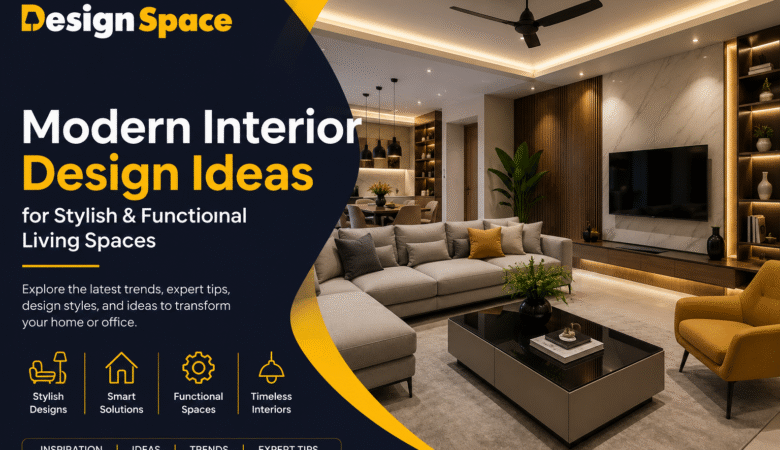
Modern Interior Design Ideas for Stylish & Functional Living Spaces

Creating a beautiful home is more than choosing attractive furniture or trendy wall colors. Interior design is about building spaces that reflect your personality, improve functionality, and enhance comfort. Whether you are renovating your apartment, designing a new home, or upgrading your office, professional interior design can completely transform the way a space looks and feels. Today’s homeowners and businesses are looking for interiors that combine elegance, practicality, smart storage, and modern aesthetics. From modular kitchens to luxurious living rooms, interior design services help bring creativity and organization into every corner of a property. According to leading interior design studios, successful interiors focus on space planning, lighting, material selection, and personalized styling that aligns with the client’s lifestyle and budget. Why Interior Design Matters Interior design is not only about decoration. It plays an important role in improving functionality, comfort, productivity, and emotional well-being. A professionally designed space can: Maximize available space Improve lighting and ventilation Create better organization and storage Increase property value Reflect personal style and taste Improve comfort and functionality Modern interior design also emphasizes sustainability, smart technology integration, and efficient use of materials. Many professional firms now provide turnkey solutions that handle everything from planning to execution. Popular Interior Design Styles 1. Modern Interior Design Modern interiors focus on simplicity, clean lines, neutral colors, and functional furniture. This style creates clutter-free spaces with elegant finishes and smart layouts. Features: Minimalistic furniture Neutral color palette Open floor plans Natural lighting Sleek décor elements Modern interiors are ideal for apartments, villas, and office spaces looking for a sophisticated appearance. 2. Contemporary Interior Design Contemporary interiors constantly evolve with current trends. This style combines comfort, luxury, and modern aesthetics. Features: Stylish textures Statement lighting Mixed materials Open and airy layouts Artistic décor 3. Minimalist Interior Design Minimalism follows the concept of “less is more.” It focuses on clean spaces with essential furniture and calming color schemes. Features: Limited furniture Neutral shades Functional layouts Simple decorative elements Clean and clutter-free spaces 4. Luxury Interior Design Luxury interiors use premium materials, customized furniture, designer lighting, and elegant finishes to create sophisticated living environments. Features: Marble and premium finishes Smart home systems Designer furniture High-end lighting Customized décor Luxury interior design has become increasingly popular in modern homes and commercial spaces. Essential Interior Design Services Professional interior design companies provide complete solutions for residential and commercial spaces. Space Planning Space planning ensures efficient use of every corner while maintaining comfort and aesthetics. Benefits: Better movement flow Optimized furniture placement Improved functionality Smart storage solutions Experts emphasize that proper space planning is the foundation of successful interior design. Modular Kitchen Design Modern modular kitchens combine functionality with elegant design. Popular Features: Soft-close cabinets Smart storage units Built-in appliances Durable countertops Stylish lighting Modular kitchens are one of the most requested interior solutions for urban homes. Living Room Interior Design The living room is the heart of any home. A well-designed living area creates a welcoming and luxurious atmosphere. Important Elements: Comfortable seating Feature walls Decorative lighting TV units Stylish furniture layouts Bedroom Interior Design Bedrooms should offer comfort, relaxation, and personalization. Modern Bedroom Ideas: Wardrobe optimization Accent walls Ambient lighting Floating furniture Minimal décor Office Interior Design Commercial interiors are designed to improve productivity, branding, and employee comfort. Features: Ergonomic furniture Collaborative spaces Reception design Smart lighting Storage planning Professional office interiors create a positive impression on clients and employees alike. Latest Interior Design Trends in 2026 Smart Home Integration Modern interiors now include: Smart lighting Voice-controlled devices Automated curtains Security systems Smart appliances Sustainable Interior Design Eco-friendly interiors are gaining popularity due to environmental awareness. Sustainable Solutions: Recycled materials Energy-efficient lighting Natural wood finishes Eco-friendly paints Indoor plants Multi-Functional Spaces With changing lifestyles, homes now require flexible spaces for: Work-from-home setups Entertainment zones Compact storage Study areas Textured Walls & Statement Ceilings Creative wall textures and decorative ceilings are trending in modern interiors. Popular Options: Wooden panels Fluted designs POP ceilings Decorative wallpapers Ambient LED lighting Benefits of Hiring Professional Interior Designers Hiring experienced designers offers several advantages: 1. Professional Expertise Interior designers understand layouts, color combinations, materials, and functionality. 2. Budget Management Professionals help optimize costs while maintaining quality. 3. Customized Designs Designers create spaces tailored to your lifestyle and preferences. 4. Time-Saving Execution Turnkey services reduce delays and coordination issues. 5. Better Material Selection Experts recommend durable and stylish materials suitable for your space. According to customer discussions online, transparency, practical planning, and execution quality are some of the most valued aspects of professional interior design services. Tips for Choosing the Right Interior Design Company Before hiring an interior designer, consider the following: Review previous projects Understand design style compatibility Discuss budgets clearly Check material quality Ask about timelines Confirm project management support Read customer reviews Choosing the right team ensures a smooth and successful interior transformation. Future of Interior Design The future of interior design focuses on: Sustainable living Smart technology Personalized spaces Flexible interiors Energy-efficient designs Interior spaces are becoming more user-centric, functional, and technology-driven than ever before. Conclusion Interior design is a perfect blend of creativity, functionality, and lifestyle enhancement. Whether you prefer modern minimalism, luxurious elegance, or contemporary sophistication, professional interior design services can transform ordinary spaces into extraordinary experiences. From smart layouts and modular furniture to elegant lighting and personalized décor, every design element contributes to creating a space that truly feels like home. Investing in quality interior design not only improves aesthetics but also enhances comfort, productivity, and long-term property value. If you are planning to redesign your home or office, working with experienced interior professionals can help bring your vision to life with style, efficiency, and precision. Frequently Asked Questions (FAQs) 1. What is interior design? Interior design is the process of improving indoor spaces through planning, furniture arrangement, lighting, materials, and décor to create functional and aesthetically pleasing environments. 2. Why should I hire an interior designer? An interior designer helps optimize space, improve aesthetics, manage budgets, and ensure professional execution

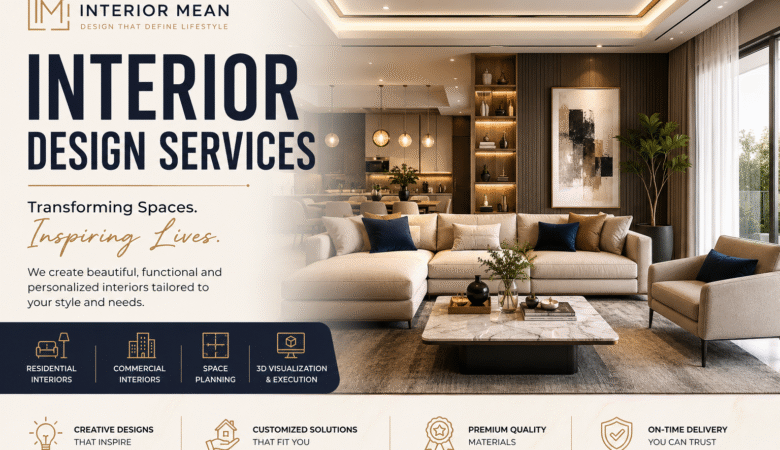
Interior Design Services – Transform Your Space with Style & Functionality

Your space reflects your personality, lifestyle, and vision. Whether it’s a modern home, luxury apartment, office, café, or commercial setup, professional interior design can completely transform the way a space looks and feels. At Interior Mean, we create elegant, functional, and personalized interiors designed to match your taste and requirements. Interior design today is not only about decoration — it is about maximizing comfort, improving space utilization, enhancing aesthetics, and creating a better living experience. Modern interior solutions combine creativity, smart planning, premium materials, and innovative concepts to deliver stunning results. Why Interior Design Matters A professionally designed interior improves both beauty and functionality. Good interior planning helps in: Better space utilization Improved lighting and ventilation Enhanced comfort and productivity Organized storage solutions Increased property value Personalized lifestyle aesthetics Interior designers carefully balance colors, textures, furniture, lighting, and layouts to create visually appealing and highly practical spaces. Our Interior Design Services 1. Residential Interior Design Create a beautiful and comfortable home with customized residential interiors. We design: Living Rooms Bedrooms Modular Kitchens Dining Areas Bathrooms Kids’ Rooms Wardrobes & Storage Solutions From luxury interiors to minimalist modern designs, every project is tailored according to your lifestyle and preferences. Modern Residential Interior Design Ideas 2. Commercial Interior Design A well-designed commercial space enhances customer experience and employee productivity. We provide interior solutions for: Offices Retail Stores Restaurants & Cafés Salons & Studios Showrooms Hotels & Hospitality Spaces Functional layouts and smart aesthetics help businesses create a lasting impression. 3. Space Planning & Layout Design Proper planning is the foundation of successful interior design. Space planning includes: Furniture placement Traffic flow optimization Smart storage solutions Functional room layouts Efficient use of available space Experts focus on maximizing every square foot effectively. 4. 2D & 3D Interior Visualization Before execution, 2D layouts and 3D visualizations help clients understand the final outcome clearly. This process includes: 3D Renders Walkthrough Designs Concept Visualization Material Selection Preview These visual tools minimize errors and improve project clarity. 5. Modular Kitchen Design Modern modular kitchens combine beauty and functionality. Features include: Smart Storage Premium Finishes Space Optimization Sleek Cabinet Designs Durable Materials A modular kitchen improves convenience and enhances the overall appeal of your home. Trending Interior Design Styles Modern Minimalist Interiors Clean lines, neutral shades, and clutter-free spaces define minimalist interiors. Luxury Interior Design Premium materials, elegant lighting, and sophisticated furniture create luxurious spaces. Contemporary Design Modern textures, creative layouts, and stylish decor elements bring contemporary interiors to life. Scandinavian Interiors Light colors, wooden textures, and simplicity make Scandinavian design highly popular. Industrial Interior Style Raw finishes, exposed materials, and bold textures create a modern industrial vibe. Luxury Interior Inspiration Key Elements of Great Interior Design Lighting Design Lighting creates mood and enhances the beauty of interiors through ambient, task, and accent lighting. Furniture Selection Stylish and functional furniture improves both comfort and aesthetics. Color Combination Balanced color palettes create harmony and define the atmosphere of the space. Material Selection Premium materials improve durability and visual appeal. Storage Solutions Smart storage keeps spaces organized and clutter-free. Benefits of Hiring Professional Interior Designers Hiring experienced interior designers offers several advantages: Expert design consultation Budget-friendly planning Access to premium materials Better project management Customized design concepts Time-saving execution Professional finishing Professionals focus on both design and execution, ensuring quality results. Many homeowners value transparency, functionality, and practical design solutions over purely trendy aesthetics. Popular Interior Design Trends in 2026 Sustainable Interior Materials Smart Home Integration Earthy Color Tones Multifunctional Furniture Natural Lighting Concepts Customized Storage Designs Luxury Minimalism Biophilic Design Elements Modern homeowners prefer interiors that are stylish, practical, and easy to maintain. Frequently Asked Questions (FAQ) 1. What services are included in interior design? Interior design services typically include space planning, furniture selection, lighting design, color consultation, modular solutions, 2D/3D visualization, and project execution. 2. How much does interior design cost? Interior design costs depend on project size, materials, design complexity, and customization requirements. 3. Why should I hire an interior designer? An interior designer helps optimize space, improve aesthetics, manage budgets, and ensure professional execution. 4. What is the difference between interior design and interior decoration? Interior design focuses on planning, layout, and functionality, while decoration mainly involves styling and aesthetics. 5. How long does an interior project take? The timeline depends on project size and complexity. Residential interiors usually take a few weeks to several months. 6. Which interior design style is most popular? Modern minimalist, luxury contemporary, Scandinavian, and industrial styles are highly popular today. 7. Can interior designers work within my budget? Yes, professional interior designers customize solutions according to your budget and preferences. 8. Do you provide modular kitchen solutions? Yes, modular kitchen design is one of the most in-demand interior services for modern homes. 9. What are the latest interior design trends? Sustainable materials, smart homes, earthy tones, luxury minimalism, and multifunctional furniture are trending in 2026. 10. How do I start my interior design project? Start by consulting professional designers, discussing your ideas, setting a budget, and planning your space requirements. Conclusion Interior design is the perfect combination of creativity, functionality, and comfort. A thoughtfully designed interior enhances your lifestyle, improves productivity, and creates visually stunning spaces that truly feel like home. Whether you want a luxurious home, modern office, modular kitchen, or complete renovation, professional interior design services help bring your vision to life with elegance and precision. Explore premium interior solutions with Interior Mean and transform your dream space into reality.

Transform Your Space with Expert Interior Design Services

Your home or office is more than just a space — it reflects your personality, lifestyle, and vision. With professional interior design services, you can turn ordinary spaces into stylish, functional, and comfortable environments that enhance everyday living. Whether you are renovating your home, designing a new office, or upgrading a commercial property, choosing the right interior solutions makes all the difference. At Interior Mean, the focus is on creating modern, elegant, and practical interiors that combine creativity with functionality. From space planning to material selection and final execution, expert interior design helps bring your dream space to life. Modern interior design is no longer only about decoration. Today, homeowners and businesses prioritize smart layouts, efficient storage, sustainable materials, luxury aesthetics, and personalized designs that improve comfort and productivity. Industry experts also highlight the importance of proper space planning, lighting, and customized interiors for better living experiences. Why Interior Design Matters A professionally designed interior improves both aesthetics and usability. Good interior design helps: Maximize available space Improve lighting and ventilation Enhance comfort and functionality Increase property value Create organized and clutter-free environments Reflect personal style and brand identity According to industry discussions and customer experiences, successful interior projects focus not only on visual appeal but also on practical functionality, transparency, and quality execution. Popular Interior Design Services Residential Interior Design Residential interiors are designed to create warm, elegant, and comfortable homes. This includes: Living room interiors Bedroom designs Modular kitchens Wardrobe solutions Dining area styling False ceiling designs Smart storage solutions Professional residential interiors balance beauty with daily usability, ensuring every corner of your home serves a purpose. Commercial Interior Design Commercial interiors are designed to improve productivity, branding, and customer experience. Services may include: Office interiors Retail store design Restaurant interiors Café interiors Reception and waiting areas Co-working spaces Modern commercial designs focus on functionality, efficient layouts, and visually appealing environments that leave a strong impression on clients and visitors. Space Planning and Layout Design Space planning is one of the most important aspects of interior design. Designers carefully arrange furniture, lighting, and movement areas to maximize comfort and efficiency. Benefits of proper space planning include: Better movement flow Improved storage Efficient furniture placement Enhanced natural lighting Increased usability of small spaces Experts emphasize that thoughtful layouts create practical and stress-free living environments. Modular Kitchen Design A modular kitchen combines style with functionality. Modern kitchens are designed for convenience, storage efficiency, and elegant aesthetics. Key features include: Customized cabinets Smart storage units Premium finishes Space-saving layouts Modern accessories Durable materials Modular kitchens are among the most requested interior services due to their practicality and sleek appearance. 3D Visualization and Interior Planning Before starting execution, professional designers create 2D layouts and 3D visualizations to help clients understand the final look of the space. This process helps with: Better decision-making Accurate planning Material selection Color coordination Reducing design mistakes Advanced visualization tools allow homeowners to see their dream interiors before implementation. Latest Interior Design Trends Some of the most popular interior design trends include: Minimalist interiors Luxury modern designs Sustainable materials Smart home integration Neutral color palettes Open-space concepts Natural textures and lighting Multifunctional furniture Luxury interiors today focus on personalization, comfort, and timeless elegance rather than overly decorative designs. Benefits of Hiring Professional Interior Designers Hiring experienced interior designers offers several advantages: Expert Planning Professionals understand layouts, lighting, materials, and color combinations. Time and Cost Savings Proper planning reduces costly mistakes and delays. Customized Designs Designs are tailored according to lifestyle, preferences, and budget. Better Material Selection Experts help choose durable and stylish materials. Hassle-Free Execution Complete project management ensures smooth coordination and timely completion. Customer experiences often highlight communication, execution quality, and transparency as major reasons to hire professional interior designers. FAQs 1. What services are included in interior design? Interior design services usually include space planning, furniture selection, color consultation, lighting design, modular furniture, 3D visualization, renovation, and complete project execution. 2. Why should I hire an interior designer? An interior designer helps create functional, stylish, and organized spaces while saving time, reducing mistakes, and improving overall aesthetics. 3. How long does an interior design project take? Project timelines vary depending on the size and complexity of the space. Residential projects may take a few weeks to a few months. 4. What is modular interior design? Modular interior design uses pre-designed and customized units such as kitchens, wardrobes, and storage systems for better functionality and efficiency. 5. Can interior designers work within a budget? Yes, professional interior designers customize designs according to your budget while maintaining quality and aesthetics. 6. Is 3D visualization necessary in interior design? Yes, 3D visualization helps clients understand the final look before execution, reducing errors and improving design accuracy. 7. What are the latest interior design trends? Minimalism, sustainable materials, luxury modern themes, smart homes, and multifunctional spaces are currently trending. Conclusion Interior design is the perfect combination of creativity, functionality, and smart planning. Whether you are designing a home, office, restaurant, or commercial space, professional interior services help create environments that are beautiful, comfortable, and practical. From modular kitchens and custom furniture to luxury living rooms and office interiors, every detail contributes to transforming your vision into reality. Modern interior solutions focus on personalized designs, optimized layouts, elegant aesthetics, and long-lasting quality. If you are planning to upgrade your interiors, professional guidance can make the entire process smooth, efficient, and stress-free. Visit Interior Mean to explore innovative interior solutions and create spaces that truly reflect your style and personality.

Get a Personalised Material Recommendation Report from Our Experts

When designing your dream home or commercial space, selecting the right materials can make all the difference. From flooring and wall finishes to kitchen countertops and furniture textures, every material impacts the durability, aesthetics, maintenance, and overall experience of your interiors. At Interior Mean, our experts help you choose the perfect combination of materials through a Personalised Material Recommendation Report tailored to your style, budget, and lifestyle needs. Whether you are renovating your home, designing a luxury apartment, or planning a modern office, our expert recommendations ensure that every material complements your vision while maintaining functionality and long-term value. Why Material Selection Matters in Interior Design The right materials are essential for creating interiors that are both beautiful and practical. Poor material choices can lead to higher maintenance costs, reduced durability, and an inconsistent design aesthetic. A personalised material recommendation report helps you: Choose durable and high-quality materials Match materials with your interior theme Optimize your renovation budget Improve maintenance and longevity Create a balanced and luxurious appearance Enhance property value At Interior Mean, our experts analyze your requirements carefully before suggesting suitable materials for every area of your space. What Is a Personalised Material Recommendation Report? A Material Recommendation Report is a professionally curated guide that helps homeowners and businesses select the best materials for their interiors. The report typically includes: 1. Flooring Recommendations Our experts suggest flooring materials based on: Room usage Foot traffic Moisture exposure Budget Design preferences Popular Flooring Materials: Vitrified tiles Marble flooring Wooden flooring Vinyl flooring Granite flooring SPC flooring 2. Wall Finish Recommendations Choosing the right wall finishes can transform the entire ambiance of a room. Recommended Wall Materials: Texture paint Wallpaper Decorative laminates Wooden paneling Stone cladding PU coatings 3. Kitchen Material Suggestions The kitchen requires highly durable and moisture-resistant materials. Recommended Kitchen Materials: Quartz countertops Acrylic finishes HDHMR boards Stainless steel accessories Anti-skid tiles Modular kitchen laminates 4. Furniture Material Recommendations Furniture materials influence both comfort and longevity. Common Recommendations: Solid wood Engineered wood MDF Plywood Veneers Upholstery fabrics 5. Bathroom Material Selection Bathrooms require water-resistant and anti-slip materials. Suggested Bathroom Materials: Ceramic tiles Anti-skid flooring Quartz vanity tops Waterproof laminates Moisture-resistant cabinets Benefits of Getting Expert Material Recommendations Better Budget Planning Experts help you avoid overspending by recommending materials that fit your budget without compromising quality. Professional Guidance You receive expert insights on durability, maintenance, trends, and compatibility. Customized Design Solutions Every recommendation is tailored to your lifestyle and interior goals. Improved Durability Selecting the right materials increases the lifespan of your interiors. Time-Saving Process Instead of researching hundreds of options, you get professionally filtered recommendations. How Our Experts Create Your Material Recommendation Report At Interior Mean, we follow a systematic approach: Step 1: Requirement Analysis We understand your: Design style Functional needs Budget Space dimensions Lifestyle preferences Step 2: Material Research Our experts compare: Durability Finish quality Cost Availability Maintenance Step 3: Personalized Recommendations You receive a detailed report containing: Suggested materials Finish combinations Color palettes Cost-effective alternatives Maintenance tips Step 4: Design Consultation We help you finalize materials that align perfectly with your interiors. Best Materials for Modern Interior Designs Luxury Interiors Italian marble Veneer finishes Glass partitions Brass accents Minimalist Interiors Matte laminates Neutral textures Wooden flooring Concrete finishes Contemporary Interiors Quartz surfaces Acrylic finishes Metallic textures Large format tiles Eco-Friendly Interiors Bamboo flooring Recycled wood Sustainable laminates Natural stone Why Choose Interior Mean? Choosing Interior Mean means working with experienced interior professionals who understand the importance of material quality and design harmony. Our Expertise Includes: Residential interior design Commercial space planning Modular kitchen design Material consultation Space optimization Customized interior solutions We ensure every recommendation aligns with your vision and practical needs. Frequently Asked Questions (FAQ) 1. What is included in a Material Recommendation Report? The report includes expert suggestions for flooring, walls, furniture, kitchens, bathrooms, finishes, textures, and budget-friendly alternatives. 2. Why should I consult experts for material selection? Experts help you avoid costly mistakes, improve durability, and choose materials that match your lifestyle and interior design goals. 3. Can I get recommendations based on my budget? Yes, the report is completely personalized according to your preferred budget and project requirements. 4. Are eco-friendly material options available? Absolutely. Sustainable and environmentally friendly material recommendations are available for modern eco-conscious interiors. 5. How do I contact Interior Mean? You can visit Interior Mean to connect with our experts and request your personalised material recommendation report. Conclusion Choosing the right materials is one of the most important decisions in any interior design project. From aesthetics and functionality to maintenance and durability, every material contributes to the outcome of your space. A Personalised Material Recommendation Report from Interior Mean helps simplify the process by offering expert guidance tailored to your specific needs. Whether you are building a new home, remodeling your interiors, or upgrading a commercial property, our experts ensure you make smart, stylish, and long-lasting material choices. Get started today and transform your interiors with confidence.

Confused About Which Materials to Choose for Your Home?

Choosing the right materials for your Home interiors can feel overwhelming. With so many options like wood, laminate, tiles, granite, and more, it’s easy to get confused about what works best. The materials you select not only define your home’s look but also impact durability, maintenance, and long-term costs. In this guide, we’ll simplify everything so you can make smart, stylish, and budget-friendly decisions. Why Material Selection Matters Your home materials decide: Durability – How long your interiors last Maintenance – Cleaning and upkeep effort Aesthetics – Overall look and feel Budget – Initial and long-term cost Choosing the wrong material can lead to frequent repairs, poor appearance, and extra expenses.  1. Wood – Classic & Timeless Wood is one of the most popular interior materials because of its natural warmth and elegance.  Best for: Furniture Flooring Wall panels Pros: Natural and premium look Long-lasting with proper care Versatile design options  Cons: Requires maintenance Can be affected by moisture and termites Wood brings comfort and sophistication to interiors, making spaces feel warm and inviting.  2. Laminates – Budget-Friendly & Stylish Laminates are synthetic materials designed to mimic wood or other finishes. Best for: Wardrobes Kitchen cabinets Furniture surfaces Pros: Affordable Scratch-resistant Wide variety of designs Cons: Less durable than real wood Can get damaged by water Laminates are popular due to their cost-effectiveness and modern finish options. 3. Granite & Marble – Luxury & Durability Natural stones like granite and marble add elegance and strength to your home. Best for: Kitchen countertops Flooring Bathrooms Pros: Highly durable Heat and scratch resistant Premium appearance Cons: Expensive Requires sealing and maintenance Granite is especially known for its durability and long lifespan, making it ideal for high-use areas. 4. Tiles – Practical & Versatile Tiles are one of the most widely used materials in modern homes. Best for: Floors Bathrooms Kitchens Pros: Water-resistant Easy to clean Highly durable Cons: Can feel cold underfoot Limited warmth compared to wood Porcelain and vitrified tiles are especially durable and suitable for heavy use areas. 5. Glass – Modern & Elegant Glass adds openness and brightness to interiors. Best for: Partitions Windows Decorative elements Pros: Enhances natural light Makes space look bigger Modern aesthetic Cons: Fragile Needs regular cleaning Glass is widely used to create airy and visually spacious interiors. How to Choose the Right Material Here are simple tips to make the right choice: For budget homes: Laminates + tilesFor luxury homes: Wood + marble/graniteFor kitchens: Granite + tilesFor bedrooms: Wood or laminate flooringFor bathrooms: Tiles only  Always balance design + durability + budget  Common Mistakes to Avoid Choosing materials only for looks Ignoring maintenance needs Not considering climate (humidity, heat) Overspending on unnecessary premium materials Conclusion Selecting the right materials for your home doesn’t have to be confusing. Focus on your Lifestyle, budget, and design preferences. A smart combination of materials like wood, laminate, tiles, and stone can create a beautiful and long-lasting home.

Design Space
Privacy Overview

This website uses cookies so that we can provide you with the best user experience possible. Cookie information is stored in your browser and performs functions such as recognising you when you return to our website and helping our team to understand which sections of the website you find most interesting and useful.